English
 русский


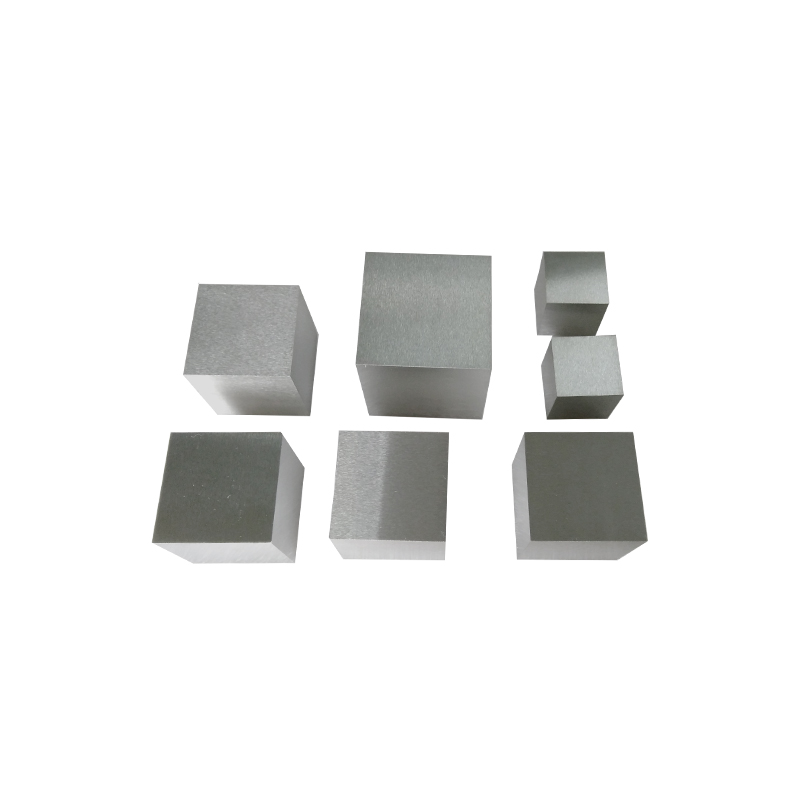
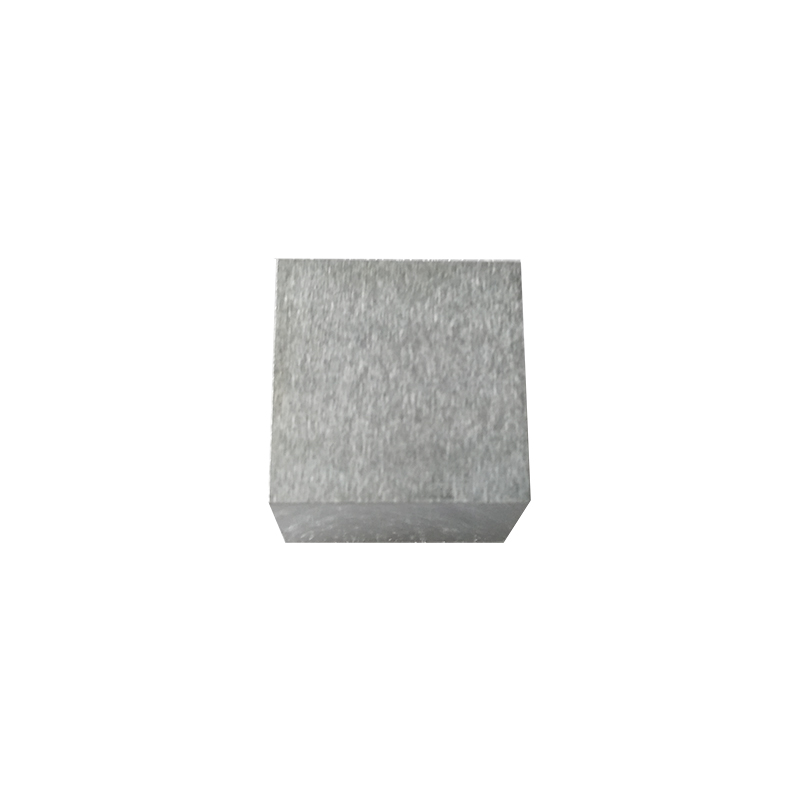
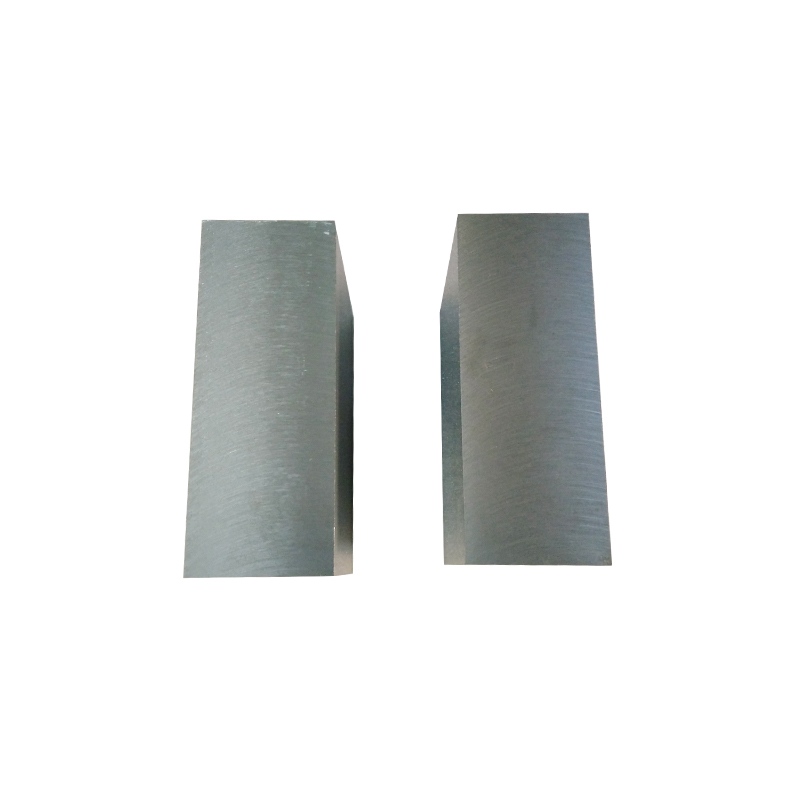
High elastic modulus molybdenum plates are specialized metal sheets designed for applications requiring exceptional stiffness, high-temperature stability, and dimensional precision. These plates are widely used in aerospace, electronics, semiconductor, and high-tech industrial fields where mechanical rigidity and thermal stability are critical.
Molybdenum, as a refractory metal, possesses a unique combination of high melting point, low thermal expansion, and excellent mechanical properties. By optimizing its elastic modulus through alloying and processing techniques, manufacturers produce plates capable of withstanding significant mechanical stress without deformation, making them essential components in advanced engineering applications.
Material Properties and Composition
High elastic modulus molybdenum plates are engineered to deliver superior performance under demanding conditions. Their properties are tailored through precise composition and controlled processing.
Mechanical Properties
These plates exhibit a high Young’s modulus, providing exceptional stiffness and resistance to deformation. Typical elastic modulus values range from 320 to 340 GPa, enabling the material to maintain dimensional accuracy under heavy mechanical load.
Thermal Properties
Molybdenum plates offer outstanding thermal conductivity and low thermal expansion, ensuring minimal distortion at high temperatures. This property is particularly critical for aerospace components, precision optics, and semiconductor substrates that experience rapid temperature changes.
Corrosion and Chemical Resistance
These plates resist oxidation and corrosion at elevated temperatures. Protective coatings or alloying elements can further enhance chemical stability, making them suitable for harsh industrial environments.
Manufacturing and Processing Techniques
Producing high elastic modulus molybdenum plates requires precise metallurgical processes to ensure uniform microstructure, high density, and excellent surface finish.
Powder Metallurgy
Powder metallurgy involves pressing molybdenum powder into a preform, followed by sintering at high temperatures. This process achieves high density, uniform grain structure, and consistent mechanical properties. Additional rolling and annealing steps improve surface finish and flatness.
Hot and Cold Rolling
Plates are often processed through hot and cold rolling to achieve the desired thickness, flatness, and mechanical properties. Hot rolling improves ductility, while cold rolling enhances stiffness and surface smoothness, critical for precision applications.
Heat Treatment
Controlled heat treatment stabilizes the microstructure and enhances the elastic modulus. Annealing reduces internal stresses and improves dimensional stability, ensuring the plates maintain performance under thermal cycling and mechanical load.
Applications in Advanced Industries
High elastic modulus molybdenum plates are integral to industries requiring high precision, thermal stability, and mechanical rigidity.
Aerospace Components
Used in structural components, satellite frames, and heat shields, these plates provide strength and thermal stability under extreme conditions. Their low thermal expansion prevents warping in precision aerospace assemblies.
Semiconductor and Electronics
In semiconductor manufacturing, molybdenum plates serve as substrates for wafers, electrode supports, and vacuum furnace components. High elastic modulus ensures minimal bending or deformation, critical for microfabrication accuracy.
Optics and Precision Instruments
For telescopes, mirrors, and precision measurement instruments, these plates maintain flatness and dimensional stability, resisting thermal and mechanical stress.
Industrial and Energy Applications
High elastic modulus molybdenum plates are used in furnace components, high-temperature molds, and power generation equipment. Their resistance to deformation under load ensures reliability in energy-intensive environments.
Comparison with Other Metals
Compared to other refractory and structural metals, high elastic modulus molybdenum plates combine unique stiffness, thermal stability, and corrosion resistance.
| Property | Molybdenum Plate | Tungsten Plate | Steel Plate |
| Elastic Modulus (GPa) | 320-340 | 400-410 | 200-210 |
| Thermal Expansion (10^-6/K) | 4.8 | 4.5 | 12-15 |
| Melting Point (°C) | 2620 | 3420 | 1450 |
| Corrosion Resistance | High | High | Moderate |
Quality Standards and Testing
High elastic modulus molybdenum plates undergo rigorous testing to ensure mechanical, thermal, and chemical performance.
- Elastic modulus and tensile strength measurement using universal testing machines
- Surface flatness and dimensional inspection using precision metrology tools
- Thermal cycling tests to evaluate high-temperature stability
- Chemical analysis for purity and alloy content verification
Applications Tips and Best Practices
To maximize the performance of high elastic modulus molybdenum plates, careful selection and handling are essential.
- Select appropriate thickness and surface finish based on load and thermal requirements
- Avoid rapid mechanical shocks that could induce micro-cracks despite high stiffness
- Maintain proper storage to prevent oxidation and contamination
- Consult with material suppliers for alloy options optimized for specific high-temperature applications
Conclusion
High elastic modulus molybdenum plates are indispensable for industries requiring exceptional mechanical rigidity, thermal stability, and chemical resistance. Their specialized properties, combined with precise manufacturing and quality control, make them ideal for aerospace, semiconductor, optics, and industrial applications.
By understanding material properties, production methods, and best handling practices, engineers and designers can optimize performance and longevity, ensuring reliable operation in the most demanding environments.