English
 русский


Understanding the Unique Properties of Molybdenum Wire
Molybdenum wire stands apart from conventional metal wires through its exceptional combination of physical and mechanical properties that make it indispensable for specialized industrial applications. With a melting point of 2623°C, molybdenum ranks among the highest melting point elements available for practical wire production, enabling operation in extreme temperature environments where other materials would fail catastrophically. The material's density of 10.28 g/cm³ provides substantial mass in fine wire diameters, while maintaining excellent tensile strength that increases at elevated temperatures—a rare characteristic that sets molybdenum apart from most metals which weaken as temperature rises. This strength retention combined with low thermal expansion coefficient of 4.8 × 10⁻⁶ per degree Celsius ensures dimensional stability across wide temperature ranges.
The electrical properties of molybdenum wire contribute significantly to its industrial utility, offering electrical conductivity approximately 34% that of copper while maintaining this conductivity at temperatures where copper would oxidize and degrade. This combination allows molybdenum wire to function effectively as a heating element, electrical conductor, or precision cutting electrode in environments hostile to conventional conductive materials. Molybdenum's excellent thermal conductivity of 138 W/m·K facilitates rapid heat dissipation when used in applications requiring thermal management, while its relatively high electrical resistivity compared to copper makes it ideal for generating controlled heat through resistive heating. The material's compatibility with vacuum environments and resistance to many chemical corrosives further expand its application range beyond what common wire materials can address.
Wire Manufacturing Processes and Quality Grades
Molybdenum wire production begins with high-purity molybdenum powder that undergoes pressing and sintering to create dense bars or rods serving as the starting material for wire drawing operations. The sintered material is first processed through rotary swaging or hot rolling to reduce diameter while increasing density and improving grain structure. Wire drawing then progressively reduces the diameter through a series of tungsten carbide dies, with each pass reducing the cross-sectional area by 15-30% depending on wire diameter and desired properties. Intermediate annealing between drawing passes relieves work hardening and recrystallizes the grain structure, preventing brittleness and enabling further diameter reduction. The drawing process can produce wires ranging from several millimeters down to ultra-fine diameters of 0.018mm or even finer for specialized applications.
Quality grades of molybdenum wire are defined primarily by purity level, surface finish, and mechanical properties achieved through processing. Pure molybdenum wire typically contains 99.95% minimum molybdenum content, with trace elements including carbon, oxygen, nitrogen, and metallic impurities controlled to very low levels. Higher purity grades reaching 99.99% are available for applications requiring minimal contamination such as semiconductor processing or scientific instrumentation. Surface finish classifications range from black wire retaining the oxide coating from annealing processes, to cleaned wire with oxide removed through chemical or mechanical treatment, to bright or polished wire exhibiting smooth reflective surfaces. Mechanical property specifications include tensile strength typically ranging from 800-1400 MPa depending on wire diameter and processing conditions, with smaller diameters generally exhibiting higher strength due to beneficial grain size effects and work hardening from extensive drawing.
EDM Wire Applications and Performance Characteristics
Electrical discharge machining represents one of the most important applications for molybdenum wire, where it serves as the electrode that generates controlled electrical sparks to erode workpiece material with extreme precision. Molybdenum EDM wire typically ranges from 0.1mm to 0.3mm diameter, with 0.18mm being the most common size for general machining operations. The wire's high melting point and excellent thermal conductivity enable it to withstand the intense localized heating from electrical discharges while maintaining dimensional integrity and straight wire path essential for precision machining. During EDM cutting, the molybdenum wire never physically contacts the workpiece but remains separated by a small gap filled with dielectric fluid, with material removal occurring through rapid series of electrical sparks that vaporize microscopic amounts of both wire and workpiece.
| Wire Diameter | Typical Application | Cutting Speed | Surface Finish |
| 0.10mm - 0.15mm | Fine detail work, thin sections | Slower, precise | Superior finish |
| 0.18mm - 0.20mm | General purpose machining | Balanced | Good quality |
| 0.25mm - 0.30mm | Thick material, rough cuts | Faster cutting | Standard finish |
Molybdenum wire performance in EDM applications depends critically on wire straightness, surface quality, and consistent diameter throughout the spool length. Wire with variations exceeding ±0.002mm can cause positioning errors and degraded cut quality, while surface defects create inconsistent spark patterns affecting finish quality. The wire consumption rate in EDM varies based on cutting parameters, workpiece material, and desired finish, with typical consumption ranging from 0.5 to 3 meters per square centimeter of cut surface. Compared to brass wire commonly used in EDM, molybdenum offers advantages in cutting extremely hard materials, achieving finer corner radii, and maintaining stability when cutting thick sections where brass wire might break under tension. However, molybdenum wire costs significantly more than brass alternatives, making it economically justified primarily for applications demanding its superior performance characteristics.
High-Temperature Heating Element Applications
Molybdenum wire serves as an excellent heating element material for furnaces, vacuum processing equipment, and high-temperature industrial processes operating at temperatures where conventional heating element materials degrade. The wire maintains mechanical strength and resists sagging at temperatures up to 1900°C in protective atmospheres or vacuum, substantially exceeding the capabilities of nichrome or Kanthal heating elements limited to approximately 1200°C maximum. Vacuum furnaces for heat treating, sintering, crystal growing, and materials processing commonly employ molybdenum wire heating elements configured as coiled wire, hairpin elements, or mesh screens depending on heating pattern requirements. The material's stability in hydrogen atmospheres makes it suitable for bright annealing and reduction processes where protective atmospheres prevent oxidation.
Design considerations for molybdenum heating elements include the material's susceptibility to oxidation in air above 600°C, requiring operation in vacuum, inert gas, or reducing atmospheres to prevent rapid degradation. The wire diameter selection balances electrical resistance requirements against mechanical strength and operational lifetime, with larger diameters providing longer service life but requiring higher voltage for equivalent power output. Typical heating element wire diameters range from 1.0mm to 6.0mm depending on furnace size and power requirements. Element configuration affects temperature distribution and heating efficiency, with careful attention to element spacing, support methods, and electrical connections necessary to prevent hot spots, uneven heating, or premature failure. Molybdenum's brittleness at room temperature requires gentle handling during installation and initial heating cycles, as thermal cycling gradually improves ductility through grain structure changes that occur at elevated temperatures.
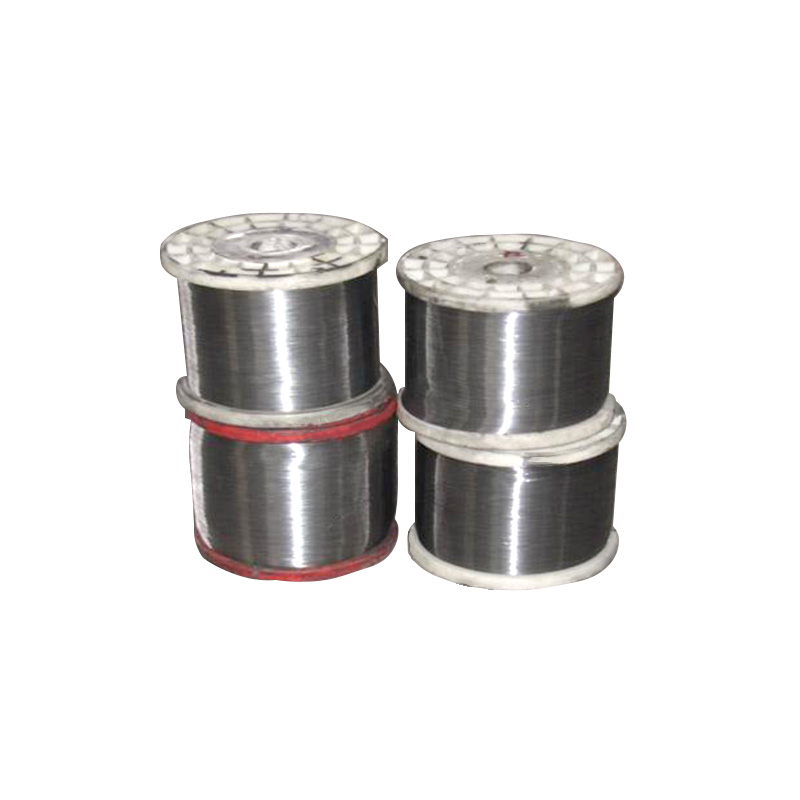
Precision Cutting Wire for Semiconductor and Solar Applications
The semiconductor and photovoltaic industries utilize ultra-fine molybdenum wire for slicing silicon ingots and other crystalline materials into thin wafers with minimal material loss and excellent surface quality. Multi-wire sawing systems employ hundreds of parallel molybdenum wires ranging from 0.06mm to 0.12mm diameter, tensioned over guide rollers and reciprocated through the workpiece while abrasive slurry flows across the cutting zone. The molybdenum wire serves as a carrier for the abrasive particles rather than cutting directly, with the wire's high tensile strength enabling the tension necessary to maintain straight wire paths and prevent bow that would create non-parallel wafer surfaces. The combination of fine diameter and high strength allows slicing kerf widths as narrow as 0.12mm, significantly reducing valuable material waste compared to thicker cutting methods.
Wire selection for multi-wire sawing applications prioritizes diameter consistency within extremely tight tolerances, typically ±0.001mm or better to ensure uniform tension across all wires in the multi-wire array. Surface quality must be exceptionally smooth to prevent premature wire breakage and minimize surface damage to the sliced wafers. Tensile strength requirements typically exceed 1200 MPa to withstand the operational tension loads of 20-40 Newtons per wire while maintaining dimensional stability during the reciprocating motion. The wire consumption in multi-wire sawing is substantial, with complete wire replacement after slicing relatively few ingots due to abrasive wear, wire stretching, and surface damage accumulation that eventually compromises cutting performance. Recycling of used molybdenum wire has become important economically and environmentally, with specialized processors recovering the molybdenum content for reprocessing into new wire or other molybdenum products.
Wire Diameter Options and Dimensional Specifications
Molybdenum wire is available in an extensive range of diameters spanning from ultra-fine 0.018mm suitable for specialized scientific instruments up to heavy 6.0mm or larger for structural applications and large heating elements. The most commonly stocked diameters for EDM applications include 0.10mm, 0.15mm, 0.18mm, 0.20mm, 0.25mm, and 0.30mm, representing the sizes that address the majority of wire EDM cutting requirements across various industries. Heating element applications typically utilize larger diameters from 1.0mm through 6.0mm in standard increments of 0.5mm or 1.0mm. Custom diameters can be produced to meet specific application requirements, though minimum order quantities and extended lead times apply for non-standard sizes due to the specialized die requirements and production setup involved.
- Ultra-fine wire (0.018mm - 0.08mm) serves specialized applications in medical devices, aerospace sensors, and precision scientific instruments where minimal wire diameter is essential
- Fine wire (0.08mm - 0.20mm) dominates EDM cutting applications and multi-wire sawing operations requiring balance between strength and cutting precision
- Medium wire (0.20mm - 1.0mm) addresses general EDM work, thermal spray applications, and composite material reinforcement uses
- Heavy wire (1.0mm - 6.0mm) primarily serves heating element construction, high-current electrical connections, and structural support applications in high-temperature equipment
- Diameter tolerances typically range from ±0.001mm for ultra-fine precision wire to ±0.01mm for heavy wire, with tighter tolerances available at premium pricing
Surface Treatments and Coating Options
Molybdenum wire surface condition significantly impacts performance across different applications, leading manufacturers to offer various surface treatments and coatings tailored to specific use requirements. Black molybdenum wire retains the dark oxide layer formed during annealing processes, providing a slightly rough surface that can benefit certain applications through improved coating adhesion or enhanced abrasive particle retention in sawing operations. Cleaned molybdenum wire undergoes chemical pickling or mechanical cleaning to remove surface oxides, presenting a gray metallic appearance and smooth surface suitable for applications requiring good electrical contact or where oxide contamination must be minimized. Bright or polished molybdenum wire receives additional surface finishing through mechanical polishing or electrochemical processing, creating a reflective surface finish with minimal surface roughness.
Specialized coating applications enhance molybdenum wire performance for specific applications beyond what bare wire provides. Zinc-coated molybdenum wire improves corrosion resistance during storage and handling while providing lubrication benefits during multi-wire sawing operations, with the zinc coating sacrificially protecting the molybdenum surface. Copper-coated molybdenum wire combines molybdenum's high-temperature strength with copper's excellent electrical conductivity, finding applications in electrical discharge machining where the copper coating facilitates electrical discharge initiation while the molybdenum core provides mechanical stability. Other specialized coatings include nickel plating for improved corrosion resistance, gold plating for enhanced electrical contact in precision instruments, and proprietary coating formulations developed by wire manufacturers to optimize performance in specific industrial processes. The selection of appropriate surface treatment depends on balancing application requirements, cost considerations, and compatibility with downstream processing or end-use environments.
Handling, Storage, and Safety Considerations
Proper handling of molybdenum wire is essential to prevent damage and maintain the dimensional accuracy and surface quality critical to application performance. The material's brittleness at room temperature makes it susceptible to kinking or breaking when subjected to sharp bends, especially in smaller diameters below 0.5mm. Wire should be dispensed from spools or coils using appropriate tension control to prevent tangling or bird-nesting, with smooth guide surfaces avoiding sharp edges that could score or damage the wire surface. Cutting molybdenum wire requires sharp, properly maintained cutters to achieve clean cuts without crushing or deforming the wire end, which could cause feeding problems in automated equipment or create inconsistent electrical contact in EDM applications.
Storage conditions affect molybdenum wire quality and shelf life, particularly for cleaned or bright wire susceptible to surface oxidation and contamination. Wire should be stored in clean, dry environments with controlled humidity to minimize oxidation, ideally in sealed packaging with desiccant until ready for use. Exposure to oils, cutting fluids, or other contaminants during storage can compromise surface cleanliness and affect subsequent processing performance. Safety considerations when working with molybdenum wire include awareness that fine wire diameters can cause cuts similar to monofilament fishing line, requiring appropriate gloves during handling. Molybdenum dust generated from wire cutting or machining operations should be managed through appropriate ventilation and housekeeping practices, as inhalation of metal dust presents health concerns requiring compliance with occupational exposure limits and proper personal protective equipment use.
Cost Factors and Economic Considerations
Molybdenum wire pricing reflects the underlying molybdenum commodity market, processing costs associated with wire production, and specific quality requirements for different applications. Raw molybdenum pricing fluctuates based on global supply and demand dynamics, mining production levels, and industrial consumption patterns, with typical prices ranging from $30-60 per kilogram for molybdenum oxide converted to approximately $50-100 per kilogram for processed molybdenum metal powder. Wire drawing, quality control, and specialty processing add substantial value, resulting in finished wire prices typically ranging from $200-500 per kilogram depending on diameter, purity, surface finish, and order quantity. Ultra-fine diameters below 0.10mm and high-purity grades command premium pricing reflecting the specialized processing required and lower production yields.
Economic optimization when specifying molybdenum wire involves balancing performance requirements against cost to avoid over-specifying expensive attributes unnecessary for the application. EDM applications may function adequately with black or cleaned wire rather than expensive bright wire if surface finish doesn't impact cutting performance. Selecting diameter based on actual strength and electrical requirements rather than defaulting to heavier gauges reduces material cost and may improve performance in applications where finer wire enables tighter corner radii or reduced cutting kerf. Volume purchasing negotiations, establishing supplier relationships, and consolidating wire specifications to standard sizes can achieve significant cost reductions compared to small-quantity purchases of multiple custom specifications. However, attempting to reduce costs by substituting lower-quality wire or marginal specifications frequently proves counterproductive through increased breakage, poor process results, or premature failure requiring expensive rework or replacement.
Quality Standards and Specification Compliance
Industry standards govern molybdenum wire specifications to ensure consistent quality and performance across suppliers and applications. ASTM B387 specifies requirements for molybdenum and molybdenum alloy wire including chemical composition limits, mechanical property requirements, dimensional tolerances, and surface finish classifications. The standard defines purity grades, test methods for verifying compliance, and acceptable quality limits for defects. ISO standards including ISO 17808 provide international specifications for molybdenum wire with requirements aligned to global manufacturing practices. These standards serve as common reference points when communicating specifications between wire purchasers and suppliers, reducing ambiguity and ensuring delivered material meets application requirements.
Quality verification procedures for critical applications include chemical analysis confirming purity and trace element content, tensile testing validating strength and elongation properties, dimensional measurement ensuring diameter consistency within specified tolerances, and surface inspection detecting defects such as scratches, pits, or inclusions that could compromise performance. Reputable molybdenum wire suppliers provide material certification documentation including test reports, traceability information, and compliance statements confirming conformance to specified standards. For applications in regulated industries such as aerospace, medical devices, or nuclear power, additional documentation requirements may include material traceability to specific production lots, verification of processing parameters, and third-party inspection certifications. Understanding relevant quality standards and specifying appropriate verification requirements ensures molybdenum wire performs reliably in demanding applications where failure could result in costly downtime, product defects, or safety consequences.
Selecting the Right Molybdenum Wire for Your Application
Choosing appropriate molybdenum wire specifications requires systematic evaluation of application requirements, operating conditions, and performance priorities. Begin by defining the primary function—electrical conductivity, mechanical strength, thermal resistance, or cutting capability—as this determines fundamental wire characteristics including diameter range, purity requirements, and surface finish needs. For EDM applications, match wire diameter to the finest detail features in the cutting path, workpiece thickness, and desired cutting speed, recognizing that finer wire enables tighter corners but cuts more slowly. Heating element applications require calculating wire resistance based on available voltage and desired power output, then selecting diameter that provides this resistance while maintaining adequate mechanical strength for the operating temperature and element configuration.
Operating environment assessment identifies whether standard molybdenum wire suffices or if special treatments are necessary—oxidizing atmospheres at elevated temperatures may require protective coatings, while vacuum or inert atmospheres allow bare wire operation. Temperature exposure determines whether pure molybdenum provides adequate performance or if molybdenum alloys with improved high-temperature properties justify their additional cost. Mechanical stress analysis reveals tensile strength requirements, informing diameter selection and whether standard wire grades meet strength needs or if enhanced processing for higher strength is necessary. Consult with experienced molybdenum wire suppliers who can provide application engineering support, recommend appropriate specifications based on similar successful applications, and suggest optimizations that balance performance against cost. Testing candidate wire specifications under actual operating conditions before committing to large-volume purchases validates that selected specifications deliver required performance and helps avoid costly specification errors that compromise application success.