English
 русский


What Is a Tungsten Alloy Plate?
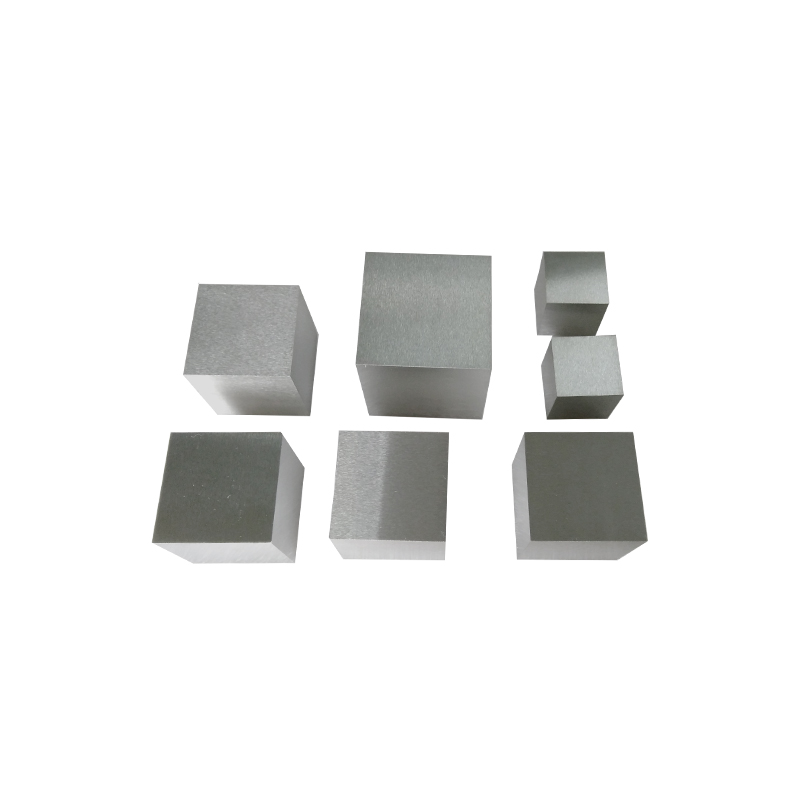
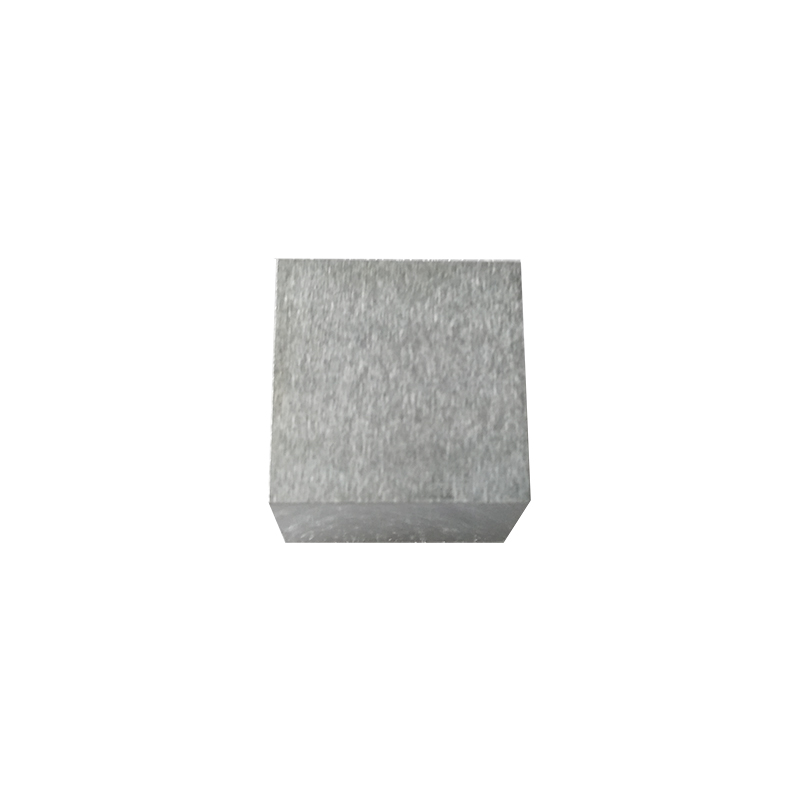
A tungsten alloy plate is a flat, rectangular product manufactured from a heavy metal composite in which tungsten is the dominant element, typically comprising between 85 and 98 percent of the total composition by weight. The remaining content consists of binding metals — most commonly nickel and iron, or nickel and copper — which are added to improve the machinability, ductility, and sinterability of the material. Pure tungsten is extremely hard and brittle in its raw form, making it difficult to process into usable shapes. The addition of these binder metals transforms it into a material that retains tungsten's exceptional density and thermal resistance while becoming workable enough to be precision-machined into flat plate form.
Tungsten alloy plates are produced through a powder metallurgy process. Tungsten powder is blended with the appropriate binder metal powders, cold-pressed into a near-net shape, and then sintered at temperatures between 1,300°C and 1,600°C in a controlled atmosphere furnace. The result is a dense, homogeneous plate with predictable mechanical properties throughout its cross-section. After sintering, plates are typically annealed and then machined to precise thickness and flatness tolerances. The finished product is characterized by its exceptional weight for size, which is the defining practical advantage of tungsten alloy plates over alternatives like steel or lead.
Key Physical and Mechanical Properties
The reason tungsten alloy plates command attention across so many demanding industries comes down to a specific cluster of physical and mechanical properties that few other materials can match simultaneously. Understanding these properties in concrete terms helps clarify why tungsten alloy is selected over alternatives in critical applications.
| Property | Typical Value (W-Ni-Fe Alloy) | Comparison to Steel |
| Density | 17.0 – 18.5 g/cm³ | ~2.4× denser than steel |
| Tensile Strength | 700 – 1,000 MPa | Comparable to alloy steel |
| Hardness (HRC) | 24 – 32 HRC | Similar to hardened tool steel |
| Melting Point | ~1,450°C (alloy) | Lower than pure W, higher than steel |
| Radiation Attenuation | Excellent (similar to lead) | Far superior to steel |
| Thermal Conductivity | 60 – 100 W/m·K | Better than most steels |
| Coefficient of Thermal Expansion | 4.5 – 5.5 × 10⁻⁶/°C | Lower than steel (more dimensionally stable) |
| Machinability | Good (with carbide tooling) | More difficult than steel |
The density figure deserves particular emphasis. At 17 to 18.5 g/cm³, tungsten alloy is approximately 1.7 times denser than lead and 2.4 times denser than steel. This means that for any given volume, a tungsten alloy plate provides a mass that no other non-radioactive material can approach at an equivalent size. This property is the foundation of its value in applications where maximum weight must be concentrated in minimum space.
Common Alloy Grades and Compositions
Tungsten alloy plates are available in several standardized compositions, each optimized for a different balance of properties. The most widely used systems are nickel-iron (W-Ni-Fe) and nickel-copper (W-Ni-Cu), with tungsten content ranging from 85% to 97%.
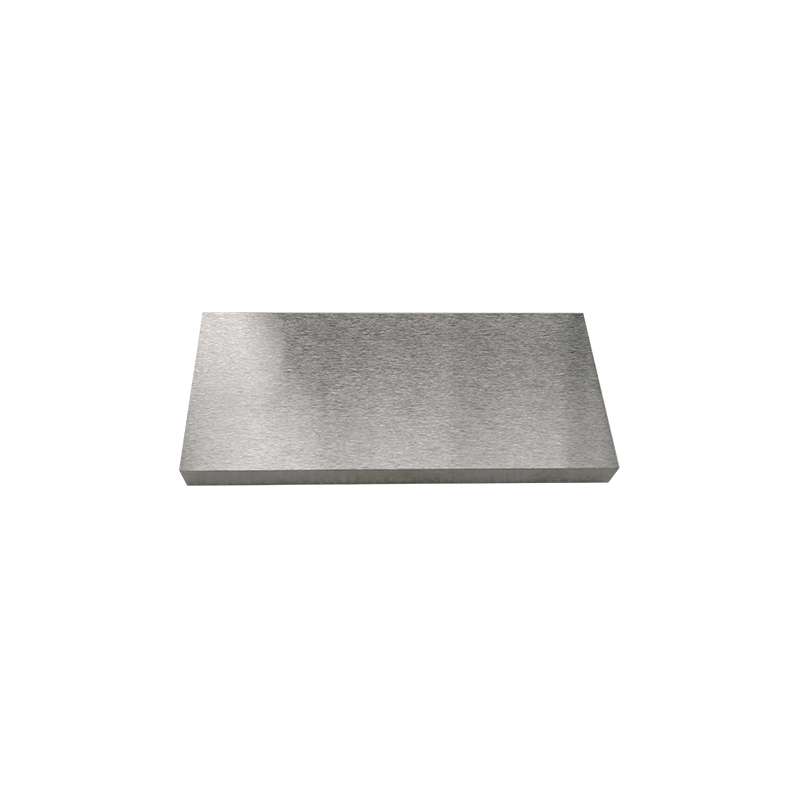
W-Ni-Fe (Nickel-Iron Binder)
This is the most common tungsten alloy plate composition and is the default choice for most structural and ballistic applications. The iron content improves magnetic permeability slightly and increases hardness compared to nickel-copper grades. W-Ni-Fe alloys are offered in tungsten concentrations of 90%, 93%, 95%, and 97%, with density rising as tungsten content increases. These grades meet the requirements of ASTM B777 Class 1 through Class 4, which is the primary international standard for tungsten heavy alloys.
W-Ni-Cu (Nickel-Copper Binder)
Nickel-copper binder alloys are non-magnetic, which makes them the preferred choice in applications where magnetic interference must be avoided — such as medical imaging equipment environments or certain aerospace sensor systems. W-Ni-Cu grades are slightly less strong than equivalent W-Ni-Fe compositions, but their non-magnetic property is a decisive advantage in specialized use cases. They are also considered more corrosion-resistant in certain chemical environments.
High-Density Grades (95%–97% W)
At 95% and 97% tungsten content, plates achieve densities of 18.0 to 18.5 g/cm³ — the upper range of what powder metallurgy sintering can reliably produce. These ultra-high-density grades are used in applications where every additional gram of mass per unit volume matters, such as radiation shielding collimators, kinetic energy penetrator components, and precision counterweights in aerospace. They are somewhat more brittle and harder to machine than lower-tungsten grades, requiring specialized carbide tooling and careful cutting parameters.
Industrial and Defense Applications
The combination of extreme density, radiation shielding capability, high strength, and dimensional stability makes tungsten alloy plates useful across a surprisingly wide range of industries. The applications below represent the most significant and established uses.
Radiation Shielding
Tungsten alloy plates are widely used as radiation shielding in medical, nuclear, and industrial radiography applications. They provide gamma-ray and X-ray attenuation performance comparable to lead but in a fraction of the volume — a tungsten alloy plate roughly 60% thinner than a lead plate of equivalent shielding performance. This size advantage is critical in compact medical devices such as PET scanners, radiation therapy collimators, and syringe shields used in nuclear medicine. Unlike lead, tungsten alloy is non-toxic, rigid, and machinable to precise tolerances, making it easier to integrate into complex device geometries.
Defense and Ballistic Applications
In defense applications, tungsten alloy plates serve as armor components, ballistic barriers, and as raw material for kinetic energy penetrators. The material's high density and hardness allow it to defeat protective armor through kinetic impact at high velocities. Tungsten alloy has largely replaced depleted uranium in some penetrator applications due to fewer handling and disposal regulations, while still delivering excellent ballistic performance. Plates are also used as radiation-protective inserts in armored vehicles that may operate in environments with radiological hazards.
Aerospace and Aviation Counterweights
Aircraft and spacecraft require precise mass balancing to ensure stable flight. Tungsten alloy plates are machined into counterweights for helicopter rotor blades, control surface balance weights in fixed-wing aircraft, and vibration damping components in aerospace assemblies. The high density allows engineers to achieve the required mass within extremely tight space envelopes — a constraint that becomes critical in applications where every cubic centimeter of available space is accounted for in the design.
Oil and Gas Industry
In directional drilling operations, tungsten alloy plates and blocks are used as drilling collars and downhole tool components where weight-on-bit is required in a restricted diameter. The high density of tungsten alloy allows drillers to add substantial mass to the bottom-hole assembly without increasing the outer diameter of the tool string — a key advantage when drilling through hard rock formations or navigating through casing restrictions.
Industrial Vibration Damping and Counterbalancing
Manufacturing equipment, precision instruments, and rotating machinery often require dense counterbalance masses to eliminate vibration and ensure smooth operation. Tungsten alloy plates are used in flywheels, gyroscopes, and balancing fixtures where their high density allows the mass to be positioned close to the axis of rotation, minimizing rotational inertia while maximizing damping effectiveness. This is particularly valuable in high-speed spindles, turbines, and CNC machining equipment.
Machining and Fabrication Considerations
Tungsten alloy plates can be machined using conventional CNC equipment, but the material's hardness and abrasiveness require specific tooling and process parameters. Working with a supplier or machining shop that has specific tungsten alloy experience is strongly recommended to avoid tooling damage, surface cracking, or dimensional inaccuracy.
- Tooling: Solid carbide or carbide-tipped tools are required. High-speed steel tools wear rapidly and are not suitable for tungsten alloy machining at production rates.
- Cutting speeds: Lower cutting speeds than for steel are recommended — typically 40 to 80 m/min for turning and milling — with moderate feed rates to prevent tool chipping.
- Coolant: Flood coolant is strongly recommended to manage heat buildup and extend tool life. Dry machining of tungsten alloy leads to rapid tool wear and surface discoloration.
- Grinding: Surface grinding to final thickness is common for achieving flatness tolerances tighter than ±0.1 mm. Diamond or CBN grinding wheels are used for finish operations.
- EDM (Electrical Discharge Machining): Wire EDM and sinker EDM are well-suited to tungsten alloy and can produce complex profiles and fine features that are difficult to achieve through conventional cutting.
Selecting the Right Tungsten Alloy Plate for Your Application
Choosing the correct grade, thickness, and finish of tungsten alloy plate requires evaluating several application-specific factors. Buying the highest-density grade is not always the right answer — in some cases, a lower tungsten content alloy offers better machinability, toughness, or magnetic neutrality that better serves the end use.
- Define your density requirement: If maximum mass per unit volume is the primary goal, select a 95% or 97% tungsten grade. If machinability and toughness are equally important, a 90% or 93% grade provides a better overall balance.
- Confirm magnetic requirements: Applications near MRI systems, sensitive electromagnetic equipment, or certain aerospace sensors require W-Ni-Cu non-magnetic grades rather than the standard W-Ni-Fe composition.
- Specify flatness and surface finish tolerances: Standard sintered plates may have flatness deviations of ±0.3 mm or more. If your application requires tighter flatness — such as for precision shielding or instrumentation — specify ground finish plates with documented flatness certification.
- Request material certifications: For defense, medical, and aerospace applications, always request a material test report (MTR) confirming chemical composition, density measurement, and mechanical property test results in accordance with ASTM B777 or equivalent standards.
- Consider surface treatment needs: Tungsten alloy plates are generally corrosion-resistant in ambient environments, but for applications involving prolonged exposure to moisture, acids, or high-humidity atmospheres, electroless nickel plating or chemical passivation can provide additional protection without significantly affecting dimensional tolerances.
Safety and Handling Guidelines
Tungsten alloy plates are non-toxic and non-radioactive, which gives them a significant safety advantage over lead and depleted uranium in many applications. However, safe handling practices should still be observed, particularly during machining operations where fine tungsten alloy dust and swarf are generated. Tungsten dust is classified as a nuisance dust and should not be inhaled over prolonged periods. Facilities machining tungsten alloy should ensure adequate ventilation, use appropriate dust collection systems, and provide operators with respiratory protection where airborne particle concentrations may exceed occupational exposure limits. Tungsten alloy swarf and grinding sludge should be collected and recycled through specialist metal reclaim channels, both for environmental responsibility and because tungsten's recovery value makes recycling economically worthwhile.