English
 русский


What Makes Molybdenum Rod an Industrial Essential
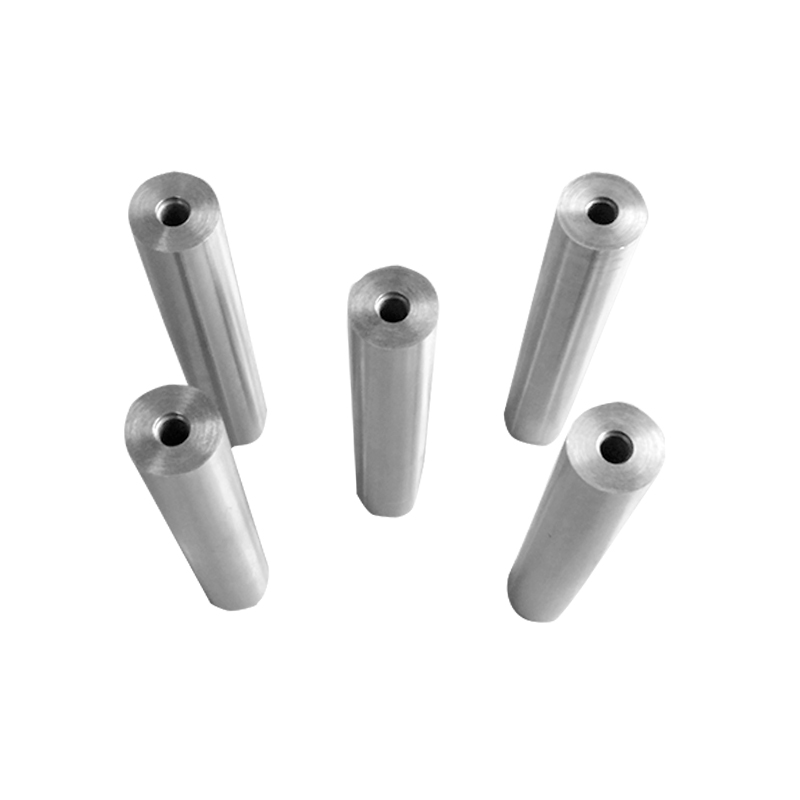
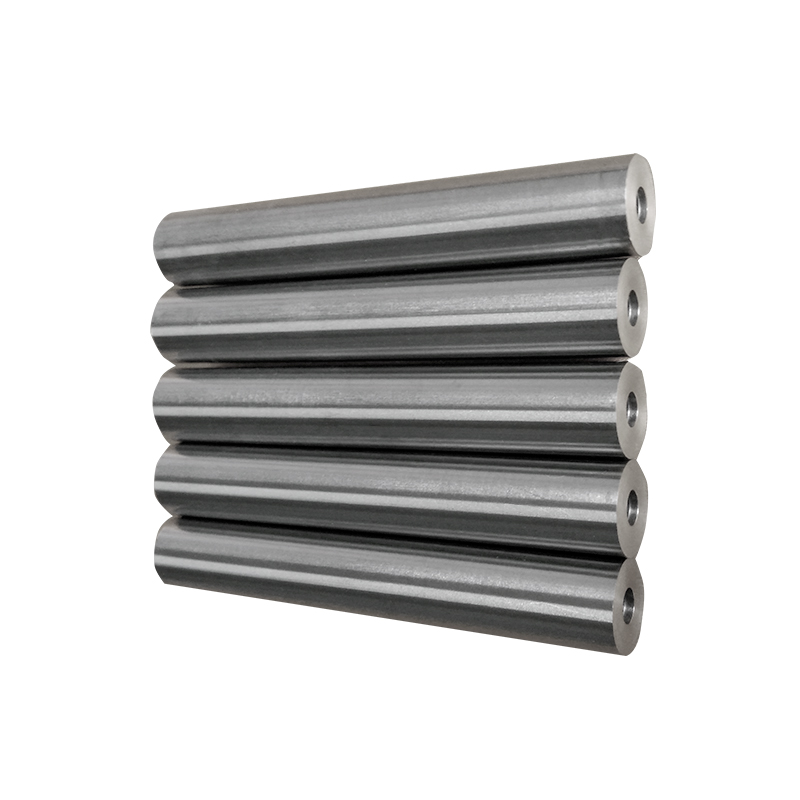
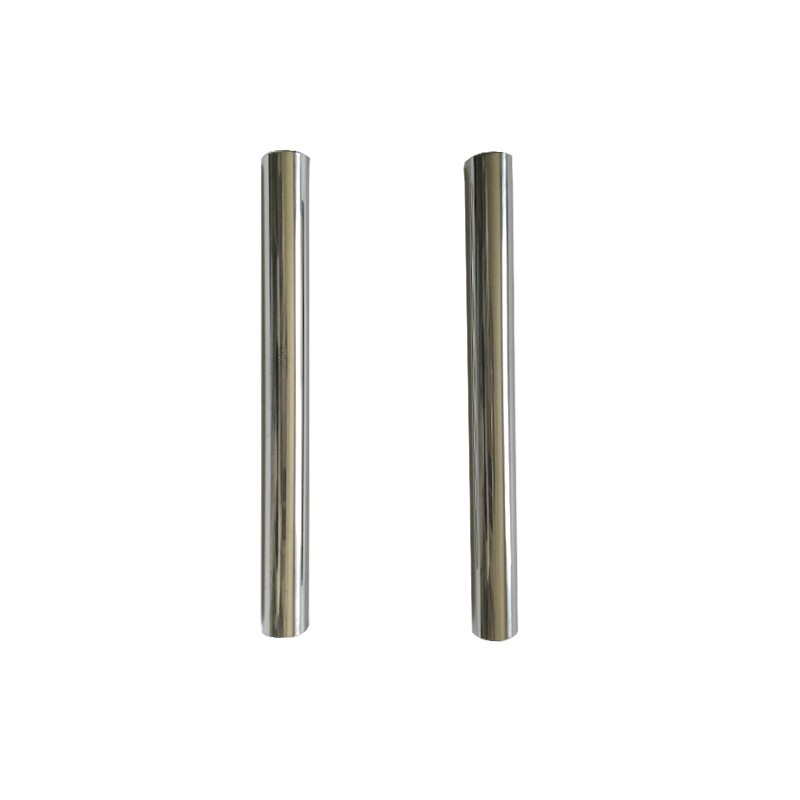
Molybdenum rod is one of the most technically demanding metal products in industrial manufacturing — and one of the most indispensable. With a melting point of 2,623°C (4,753°F), the second highest of any pure metal after tungsten, molybdenum maintains structural integrity and mechanical strength at temperatures that cause steel and most other alloys to deform or fail completely. Combined with its low thermal expansion coefficient, high electrical conductivity, and excellent corrosion resistance, molybdenum rod has become a foundational material across semiconductor fabrication, aerospace engineering, glass production, and high-temperature furnace construction.
The global molybdenum market was valued at approximately USD 5.8 billion in 2023 and is projected to grow steadily through the decade, driven by increasing demand from the energy, defense, and electronics sectors. Understanding molybdenum rod — its grades, properties, manufacturing process, and end-use specifications — is essential for procurement engineers and materials specialists sourcing for performance-critical applications.
Key Physical and Mechanical Properties
Molybdenum's exceptional performance in extreme environments stems from a combination of physical and mechanical properties that are rarely found together in a single material.
| Property | Value | Significance |
|---|---|---|
| Melting Point | 2,623°C | Stable in ultra-high-temperature environments |
| Density | 10.22 g/cm³ | High mass-to-volume ratio; suitable for compact components |
| Thermal Expansion (CTE) | 4.8 × 10⁻⁶/°C | Closely matches silicon and glass — critical for semiconductor use |
| Tensile Strength (annealed) | ~690 MPa | Strong baseline; higher in stress-relieved grades |
| Electrical Conductivity | ~34% IACS | Viable for electrical and electrode applications |
| Thermal Conductivity | 138 W/m·K | Efficient heat dissipation in furnace and heating components |
A particularly important characteristic is molybdenum's low thermal expansion coefficient, which is closely matched to that of silicon and borosilicate glass. This compatibility eliminates thermal stress cracking at interfaces — a critical requirement in semiconductor wafer processing equipment and glass-to-metal seals used in lighting and vacuum tube technology.
How Molybdenum Rod Is Manufactured
Molybdenum rod production follows a powder metallurgy route rather than conventional casting — a direct consequence of molybdenum's extremely high melting point, which makes liquid-state processing impractical at industrial scale.
Step 1 — Powder Preparation
Molybdenum trioxide (MoO₃) — derived from roasting molybdenite ore concentrates — is reduced to metallic molybdenum powder using hydrogen at temperatures between 900°C and 1,100°C. Particle size and purity at this stage directly determine the final rod's density and mechanical performance. High-purity grades require multiple reduction stages and tight process controls.
Step 2 — Pressing and Sintering
The molybdenum powder is compacted into rod-shaped "green compacts" using isostatic or uniaxial pressing at pressures typically exceeding 200 MPa. These compacts are then sintered in hydrogen atmosphere furnaces at temperatures approaching 2,100°C, fusing the particles into a dense, coherent metal body with a relative density of 95–98% of theoretical maximum.
Step 3 — Working and Finishing
Sintered billets undergo hot swaging, rotary forging, or rolling to break down the as-sintered grain structure, improve density, and achieve target dimensions. Cold drawing through dies produces smaller diameter rods with tighter dimensional tolerances and higher surface quality. Final operations include centerless grinding, annealing (to relieve internal stress), and surface treatment as specified by the customer.
Grades and Alloy Variants
Not all molybdenum rod is identical. The correct grade selection is as important as the material choice itself, since alloying and processing history significantly affect performance at temperature.
- Pure Molybdenum (Mo >99.95%) — The standard commercial grade. Used for general high-temperature applications, furnace hardware, and glass melting electrodes where alloying additions are unnecessary. Susceptible to recrystallization above ~1,100°C with prolonged exposure.
- TZM (Titanium-Zirconium-Molybdenum) — The most widely used molybdenum alloy. Contains ~0.5% titanium and ~0.08% zirconium, which form fine carbide dispersions that inhibit grain boundary migration at elevated temperatures. TZM rod exhibits significantly higher recrystallization resistance and creep strength than pure Mo, making it the preferred choice for structural applications above 700°C.
- MoLa (Lanthanum-Doped Molybdenum) — Lanthanum oxide (La₂O₃) additions produce an elongated grain structure after working, dramatically improving high-temperature tensile strength and resistance to sagging. Widely used in lamp filament supports, high-temperature heating elements, and applications requiring dimensional stability under load at extreme temperatures.
- Mo-W Alloys — Tungsten additions increase hardness, density, and corrosion resistance at the cost of workability. Used in glass contact applications where resistance to molten glass erosion is critical.
- Stress-Relieved vs. Annealed Condition — Beyond alloy chemistry, the thermal treatment condition of the rod affects tensile strength, ductility, and machinability. Stress-relieved rod retains higher strength; fully annealed rod offers better formability for downstream processing.
Industrial Applications of Molybdenum Rod
Molybdenum rod's combination of properties — extreme temperature stability, low expansion, and good conductivity — positions it as an enabling material across several high-value industries.
High-Temperature Furnace Components
Molybdenum rod is the dominant material for heating elements, support mandrels, and structural components in vacuum and inert-atmosphere furnaces used for sintering, brazing, and heat treatment. Operating temperatures in these furnaces routinely exceed 1,400°C — a regime where most alternatives degrade rapidly. MoLa and TZM grade rods are specified for the most demanding furnace configurations due to their superior creep resistance under sustained thermal load.
Semiconductor and Electronics Manufacturing
In semiconductor fabrication, molybdenum rod is machined into sputtering targets, ion implantation components, and wafer handling hardware. Its thermal expansion match with silicon substrates prevents the dimensional mismatches that cause wafer cracking or delamination during thermal cycling in CVD and PVD deposition chambers. The semiconductor industry demands rod purity levels of 99.99% or higher, with strict limits on trace contaminants such as iron, nickel, and copper.
Glass and Quartz Processing
Molybdenum electrodes — machined from high-density rod — are used to apply resistive heating directly to molten glass in electric glass furnaces. Molybdenum's resistance to attack by most molten glass compositions, combined with its high melting point, makes it one of the few materials capable of functioning as a submerged electrode in glass melts at 1,200–1,500°C. Annual consumption of molybdenum rod in the global glass industry exceeds several thousand metric tons.
Aerospace and Defense
Molybdenum rod is machined into rocket nozzle components, re-entry vehicle structural parts, and missile guidance system hardware where extreme heat flux and mechanical loading occur simultaneously. TZM rod is particularly valued in these contexts for its ability to maintain yield strength at temperatures where even superalloys begin to soften significantly.
EDM Electrodes and Tooling
In electrical discharge machining (EDM), molybdenum wire and rod serve as electrodes due to their high melting point, good electrical conductivity, and predictable wear characteristics. Molybdenum EDM wire is used for wire-cut EDM operations on hard alloys and exotic metals where conventional copper or brass wire cannot maintain dimensional accuracy.
Machining and Handling Considerations
Molybdenum rod presents specific machining challenges that must be understood before committing to production tolerances and surface finish specifications.
- Brittleness at room temperature — Molybdenum has a ductile-to-brittle transition temperature (DBTT) typically in the range of 20–30°C depending on purity and processing history. Machined rod can fracture under impact or aggressive cuts. Carbide tooling with positive rake angles and lower cutting speeds are recommended.
- Oxidation above 400°C — Molybdenum oxidizes rapidly in air above approximately 400°C, forming volatile MoO₃. Any high-temperature application must be conducted in vacuum, inert gas, or reducing atmosphere. This constraint drives the design of furnace and reactor hardware that uses molybdenum components.
- No post-weld ductility — Molybdenum welds are highly susceptible to grain growth and embrittlement. Welded assemblies require careful post-weld heat treatment and are generally avoided in structural applications where mechanical loading is expected.
- Surface contamination sensitivity — For semiconductor-grade rod, surface contamination from handling oils, fingerprints, or machining fluids must be controlled through clean-room packaging and dedicated tooling to preserve purity specifications.
Sourcing and Specification Checklist
When specifying molybdenum rod for procurement, the following parameters should be clearly defined to ensure the supplied material meets application requirements:
- Grade / alloy — Pure Mo, TZM, MoLa, or Mo-W. Each has a distinct performance profile and price point.
- Purity level — Standard commercial (≥99.95%), high-purity (≥99.99%), or semiconductor-grade with specific trace element certificates.
- Diameter and length tolerances — Standard tolerances follow ASTM B387 or equivalent; tighter tolerances require additional machining and should be specified explicitly.
- Surface condition — As-worked (black surface), ground, or polished. Ground finish reduces stress concentration sites; polished surfaces are required for optical and vacuum applications.
- Thermal treatment condition — Stress-relieved, annealed, or as-worked. This affects both mechanical properties and downstream machinability.
- Certification and traceability — Material test reports (MTR), chemical analysis certificates, and dimensional inspection reports should accompany all industrial-grade shipments.
Matching the specification precisely to the end-use requirement — rather than defaulting to the highest available purity or tightest tolerance — controls cost without compromising performance. Molybdenum rod is a premium material in all grades; over-specification adds cost without benefit, while under-specification in critical dimensions or purity can lead to premature component failure in demanding environments.