English
 русский


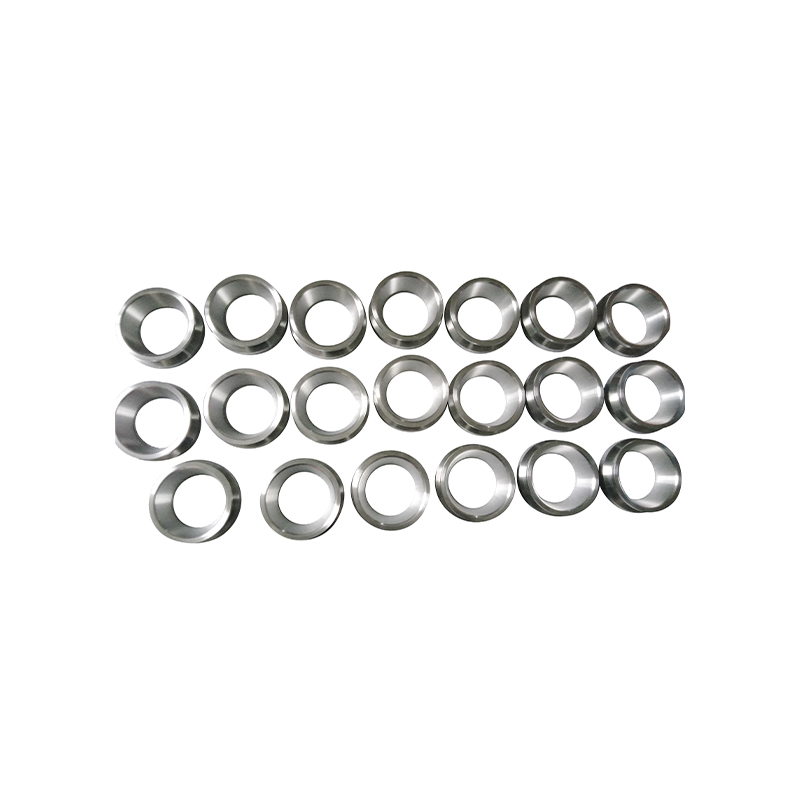
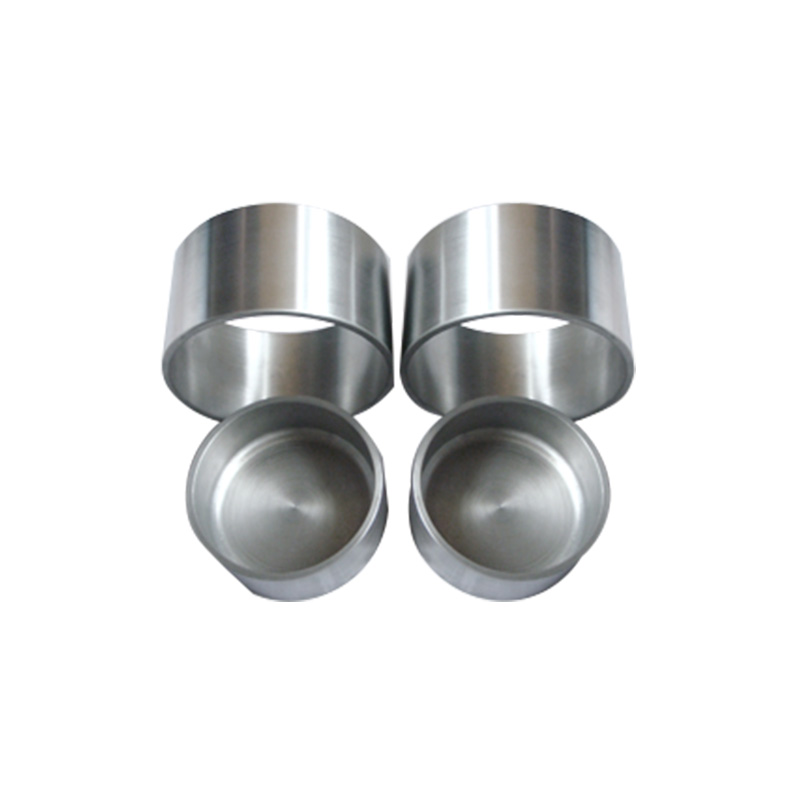
A high purity molybdenum crucible is a specialized container made from molybdenum metal with exceptional purity levels, typically above 99.95%. It is engineered to withstand extreme temperatures and corrosive environments without contaminating the materials it holds. Molybdenum’s unique combination of high melting point, thermal conductivity, and chemical stability makes these crucibles indispensable in industries that require precise high-temperature processing.
High purity molybdenum crucibles are widely used in laboratories, industrial manufacturing, and research facilities. They are particularly important in semiconductor, aerospace, glass, and metal alloy industries, where material purity and thermal performance are critical.
Key Properties of High Purity Molybdenum Crucibles
The superior performance of molybdenum crucibles comes from several intrinsic material properties. Understanding these properties helps in selecting the right crucible for specific applications.
High Melting Point
Molybdenum has a melting point of 2,623°C (4,753°F), allowing crucibles to handle extreme heat without deformation. This makes them suitable for melting high-temperature metals, glass, and ceramics.
Thermal Conductivity and Expansion
High thermal conductivity ensures even heat distribution within the crucible, preventing hotspots and reducing the risk of material defects. Additionally, molybdenum has a low thermal expansion coefficient, which minimizes stress and cracking during repeated heating and cooling cycles.
Chemical Stability
High purity molybdenum resists chemical reactions with most molten metals and alloys, reducing contamination risks. This property is essential in industries requiring ultra-pure materials, such as semiconductor wafer production and high-performance alloys.
Manufacturing Process of Molybdenum Crucibles
Producing high purity molybdenum crucibles involves multiple precise steps. Initially, molybdenum powder is purified and pressed into a crucible shape. The formed crucible is then sintered at very high temperatures to achieve full density. Finally, precise machining and surface treatment ensure dimensional accuracy and smooth interior surfaces.
The quality control process is stringent, as impurities or structural defects can compromise performance. High purity standards are verified using chemical analysis and mechanical testing to ensure reliability in demanding applications.
Common Applications of High Purity Molybdenum Crucibles
High purity molybdenum crucibles serve as critical components in industries where high temperatures, chemical stability, and purity are required. The following are the most common applications:
- Semiconductor Industry: Used for melting and handling ultra-pure silicon, germanium, and other semiconductor materials without contamination.
- Aerospace and Defense: Crucibles are used to produce high-performance alloys for turbine blades, rocket components, and heat-resistant structures.
- Metal Alloy Production: Enables melting of tungsten, tantalum, and other refractory metals that require precise temperature control.
- Glass and Ceramics: Ensures uniform melting and prevents chemical interactions that could affect transparency and mechanical properties.
- Laboratory Research: Used in experiments requiring high-purity metals at elevated temperatures.
Comparison With Other Refractory Crucibles
Molybdenum crucibles are often compared to graphite, tungsten, or ceramic crucibles. Each has advantages and limitations based on temperature range, chemical reactivity, and mechanical properties.
| Crucible Type | Maximum Temperature | Chemical Stability | Best Applications |
| High Purity Molybdenum | >2600°C | Excellent | Semiconductors, alloys, aerospace |
| Graphite | >3000°C | Good (oxidizes easily) | Metal casting, high-temp furnaces |
| Tungsten | >3400°C | Excellent | Refractory metals, aerospace |
| Ceramic | ~2000°C | Good | Glass, ceramics, lab research |
Handling and Maintenance
Proper handling of high purity molybdenum crucibles is essential to ensure longevity and performance. Crucibles should be stored in a dry, inert environment to prevent oxidation. During use, gradual heating and cooling cycles help avoid thermal shock and cracking.
Regular inspection for micro-cracks or surface defects is recommended. Cleaning should be performed with non-reactive brushes or solvents to maintain purity and prevent contamination of future batches.
Conclusion
High purity molybdenum crucibles play a critical role in high-temperature industrial processes. Their exceptional thermal stability, chemical inertness, and mechanical strength make them superior to many other refractory crucibles for semiconductor manufacturing, aerospace alloys, glass production, and laboratory research.
By understanding their properties, applications, and proper handling, industries can maximize efficiency, maintain high purity standards, and achieve reliable results in demanding high-temperature environments.