English
 русский


Overview of Molybdenum Wire and Its Industrial Value
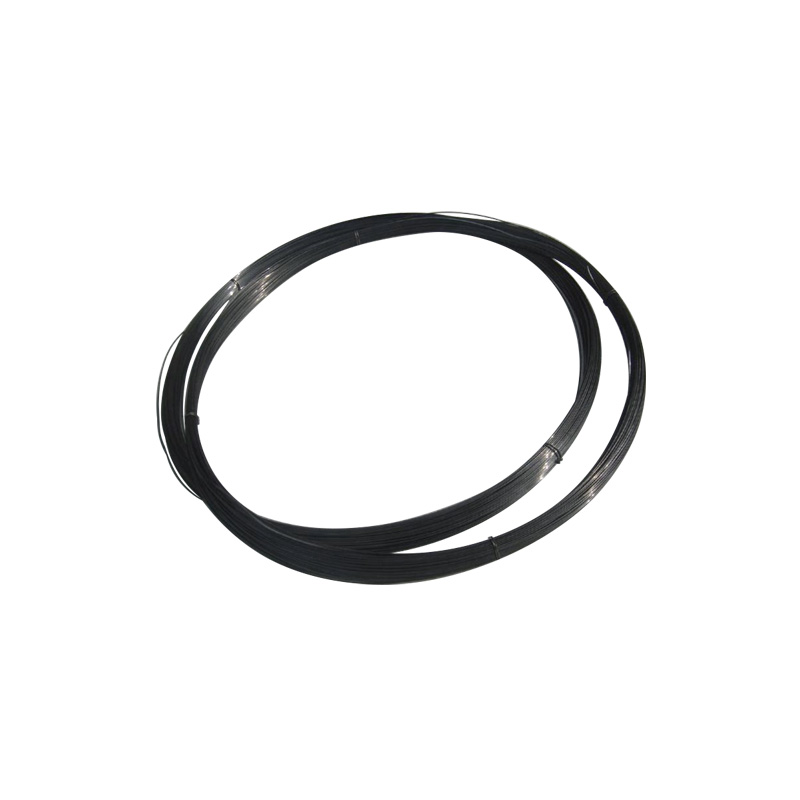
Molybdenum wire is a high-performance metallic material produced from refined molybdenum through powder metallurgy and wire drawing processes. It is widely recognized for its exceptionally high melting point, excellent thermal conductivity, strong mechanical stability at elevated temperatures, and good electrical conductivity. These properties make molybdenum wire indispensable in many industries that operate under extreme heat, vacuum, or high-precision conditions.
Unlike common metal wires, molybdenum wire maintains strength and dimensional stability where other materials soften, oxidize, or fail. As a result, it is used not only as a functional conductor but also as a structural or heating element in demanding industrial environments.
Applications in the Electronics and Semiconductor Industry
One of the most important application areas for molybdenum wire is the electronics and semiconductor industry. Due to its stable electrical performance and resistance to thermal expansion, molybdenum wire is commonly used as internal leads, bonding wires, and electrode materials in electronic components.
In semiconductor manufacturing, molybdenum wire is utilized in high-temperature furnaces and crystal growth processes where precise temperature control is critical. Its low vapor pressure under vacuum conditions makes it suitable for clean-room and ultra-high-vacuum environments, reducing contamination risks during chip production.
Use in Lighting and Lamp Manufacturing
Molybdenum wire has long been a key material in the lighting industry, particularly in incandescent, halogen, and specialized discharge lamps. It is commonly used for lead-in wires, support structures, and electrode components inside lamp assemblies.
The coefficient of thermal expansion of molybdenum closely matches that of glass, which allows it to form reliable glass-to-metal seals. This property ensures airtight lamp structures and extends product lifespan, making molybdenum wire essential for high-reliability lighting applications.
Molybdenum Wire in EDM (Electrical Discharge Machining)
In the manufacturing and tooling industry, molybdenum wire is widely used in Electrical Discharge Machining (EDM), especially in wire-cut EDM processes. Its high tensile strength and resistance to thermal deformation allow it to maintain consistent cutting accuracy during high-speed machining.
Compared with alternative wire materials, molybdenum wire offers a longer service life and stable discharge performance. This makes it suitable for precision machining of hard materials such as tool steel, carbide, and aerospace alloys, where dimensional accuracy is critical.
High-Temperature Furnace and Heating Element Applications
Molybdenum wire is extensively used as heating elements and support components in high-temperature furnaces operating in vacuum or inert atmospheres. These furnaces are common in metallurgy, materials research, and advanced ceramics production.
Thanks to its melting point exceeding 2600°C and excellent creep resistance, molybdenum wire maintains structural integrity during prolonged exposure to extreme heat. It is often used in sintering furnaces, crystal growth equipment, and thermal processing systems where precise and uniform heating is required.
Aerospace and Defense Industry Applications
The aerospace and defense sectors demand materials that can withstand extreme temperatures, mechanical stress, and corrosive environments. Molybdenum wire meets these requirements and is used in various high-performance components.
Applications include reinforcement elements in composite materials, electrical components in high-temperature zones, and support structures in propulsion and guidance systems. Its low density relative to other refractory metals also contributes to weight reduction, which is critical in aerospace design.
Medical and Scientific Equipment Uses
In the medical and scientific research fields, molybdenum wire is used in imaging equipment, radiation shielding components, and laboratory instruments that operate under controlled or extreme conditions.
Its stability under radiation exposure and high temperatures makes it suitable for X-ray tube components and analytical instruments. In research laboratories, molybdenum wire is often used in experimental setups requiring precise thermal or electrical control.
Chemical and Glass Industry Applications
The chemical and glass industries also benefit from the unique properties of molybdenum wire. It is used in glass melting and forming processes where contact materials must withstand high temperatures without contaminating the molten glass.
In chemical processing, molybdenum wire is applied in equipment exposed to corrosive environments and high heat. Its chemical stability helps extend equipment life and reduce maintenance frequency.
Comparison of Key Industry Applications
| Industry | Main Application | Key Advantage |
| Electronics | Leads and electrodes | Thermal and electrical stability |
| Lighting | Lead-in wires | Glass sealing compatibility |
| EDM | Wire cutting | High precision and durability |
| Aerospace | High-temp components | Strength under extreme conditions |
Role in Emerging and Advanced Technologies
As advanced manufacturing and energy technologies evolve, new applications for molybdenum wire continue to emerge. It is increasingly used in additive manufacturing research, advanced battery development, and next-generation energy systems that require materials capable of operating at high temperatures and power densities.
Its compatibility with vacuum systems and clean processing environments also supports innovation in fields such as thin-film deposition, photovoltaic manufacturing, and advanced material synthesis.
Why Molybdenum Wire Remains a Preferred Industrial Material
The wide range of applications across different industries highlights why molybdenum wire remains a preferred material in high-performance environments. Its unique combination of thermal resistance, mechanical strength, electrical conductivity, and dimensional stability is difficult to replicate with alternative metals.
For manufacturers and engineers, selecting molybdenum wire means investing in reliability, precision, and long-term performance. As industries continue to push the limits of temperature, efficiency, and miniaturization, molybdenum wire will remain a critical material supporting technological advancement.