English
 русский


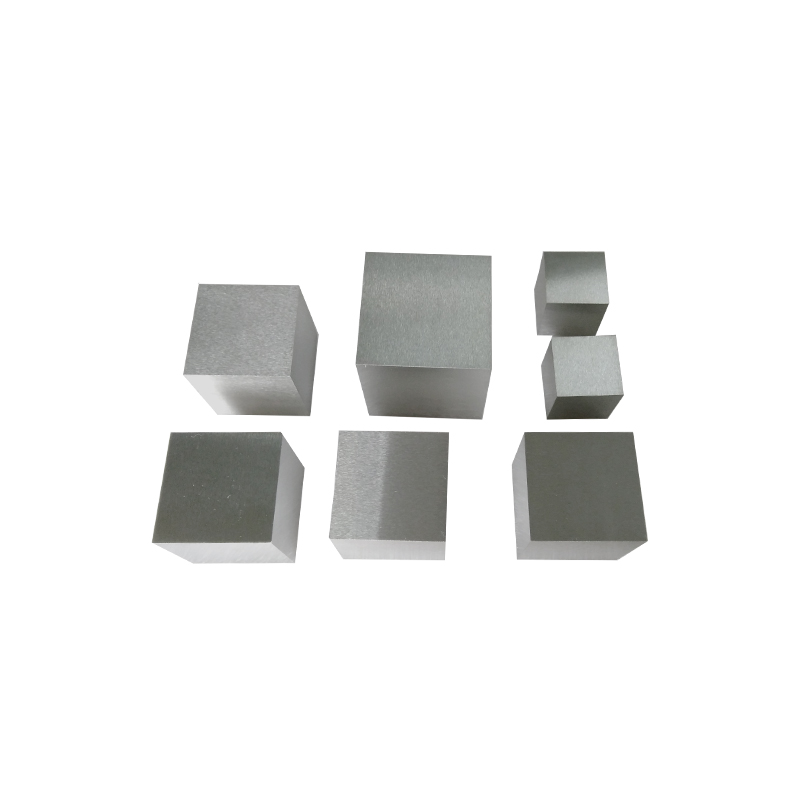
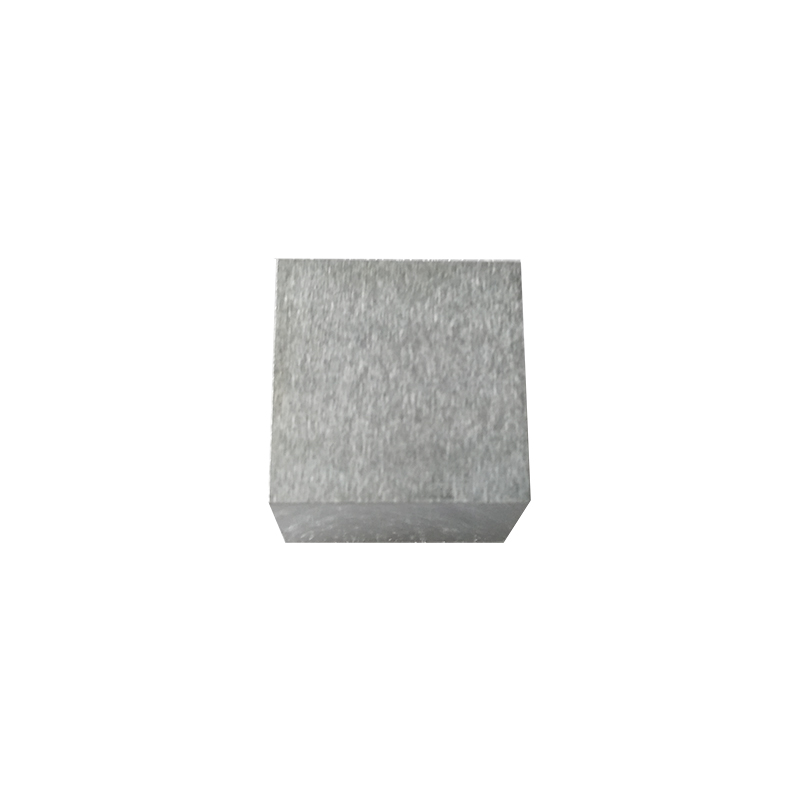
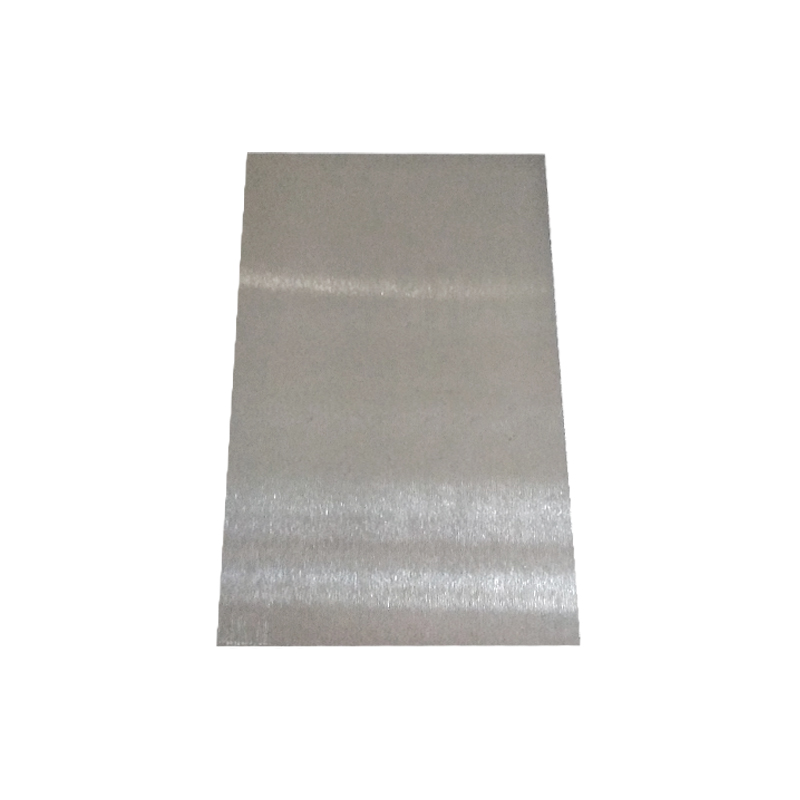
Tungsten plate is a dense, refractory metal known for its exceptional high-temperature resistance and mechanical strength. Its corrosion-resistant variants are specifically engineered to withstand aggressive chemical environments such as acids, alkalis, and saltwater. Unlike conventional metals, tungsten maintains its structural integrity even under prolonged exposure to heat and oxidative conditions, making it ideal for industrial applications like chemical processing, aerospace, and electronics.
How Does Tungsten Plate Perform at High Temperatures?
One of tungsten’s most remarkable properties is its extremely high melting point of 3422°C (6192°F). This makes it suitable for applications where other metals would soften, warp, or degrade. Corrosion-resistant tungsten plates retain their mechanical properties even under continuous high-temperature conditions, preventing deformation and failure in critical components.
Thermal Stability Comparison
Compared to stainless steel, which typically withstands temperatures up to 800°C, and copper with a melting point of 1085°C, tungsten plate demonstrates superior stability. Its thermal expansion is minimal, reducing the risk of cracking or distortion during rapid temperature changes. This makes tungsten plates particularly valuable in furnaces, high-temperature reactors, and aerospace heat shields.
Resistance to Oxidation and Scaling
At elevated temperatures, many metals form oxides or scale on their surfaces, weakening their structural integrity. Tungsten forms a stable oxide layer only at very high temperatures, maintaining corrosion resistance longer than stainless steel or copper. This characteristic prolongs component life in oxidizing environments.
Corrosion Resistance Comparison with Stainless Steel and Copper
Corrosion resistance is a critical factor when choosing materials for chemical, marine, or industrial applications. Tungsten plates exhibit higher resistance to many aggressive chemicals compared to stainless steel or copper, reducing maintenance needs and operational downtime.
Acid and Alkali Resistance
Tungsten’s corrosion-resistant variants can endure concentrated acids and alkaline solutions, whereas stainless steel may suffer pitting or stress corrosion cracking, and copper may dissolve or discolor in acidic conditions. This makes tungsten ideal for chemical plant equipment and laboratory apparatus.
Saltwater and Marine Environments
Copper is prone to corrosion in marine environments, forming a green patina over time, while stainless steel may experience chloride-induced pitting. Corrosion-resistant tungsten plates show minimal degradation, ensuring structural integrity for marine hardware, offshore platforms, and desalination equipment.
Mechanical Strength and Durability
Tungsten’s high density (19.25 g/cm³) and hardness make it exceptionally durable compared to stainless steel and copper. Components made from tungsten plates can withstand heavy loads, wear, and erosion while maintaining shape and function.
Wear and Abrasion Resistance
Unlike stainless steel, which can wear under mechanical friction, tungsten plates resist abrasion and surface damage. Copper, being softer, is easily scratched or dented. Tungsten’s wear resistance extends the lifespan of industrial parts such as molds, electrodes, and cutting tools.
Structural Stability Under Pressure
Tungsten plates maintain structural stability under high-pressure conditions, whereas copper can deform and stainless steel may lose strength at high temperatures. This makes tungsten plates suitable for high-pressure chemical reactors, heat exchangers, and aerospace components.
Applications Where Tungsten Plates Outperform Other Metals
Tungsten’s combination of corrosion resistance, thermal stability, and mechanical strength makes it valuable across multiple industries where stainless steel or copper may not suffice.
- Chemical processing equipment, including reaction vessels and piping exposed to strong acids and alkalis.
- Aerospace and defense components requiring high-temperature endurance and minimal thermal expansion.
- Marine hardware exposed to saltwater or corrosive environmental conditions.
- Electronics and semiconductor industry equipment, such as sputtering targets and heat sinks.
- High-performance molds, dies, and cutting tools where wear resistance is critical.
Cost Considerations and Trade-offs
While tungsten plates offer superior performance, their cost is significantly higher than stainless steel or copper. Manufacturers must balance the upfront investment with long-term benefits such as reduced maintenance, longer service life, and improved safety.
Initial Investment vs Longevity
Although tungsten is expensive, its resistance to corrosion and wear minimizes replacement costs. In high-stress applications, tungsten plates often provide better ROI than stainless steel or copper due to fewer failures and lower downtime.
Fabrication and Machining Challenges
Tungsten is hard and dense, making it more difficult to machine than softer metals like copper or stainless steel. Specialized equipment and techniques are required, increasing fabrication costs. However, advanced methods such as powder metallurgy or precision CNC machining mitigate these challenges.
Conclusion
Corrosion-resistant tungsten plates offer unparalleled high-temperature performance, corrosion resistance, and mechanical strength compared to stainless steel and copper. While the initial cost is higher and machining more complex, the benefits in critical industrial applications—chemical processing, aerospace, marine environments, and electronics—often outweigh these trade-offs. Selecting tungsten plates ensures longer service life, enhanced safety, and reduced maintenance costs, making them a superior choice when performance under extreme conditions is essential.