English
 русский


What Is a Tungsten Rod and Why Does It Stand Apart from Other Metal Bars?
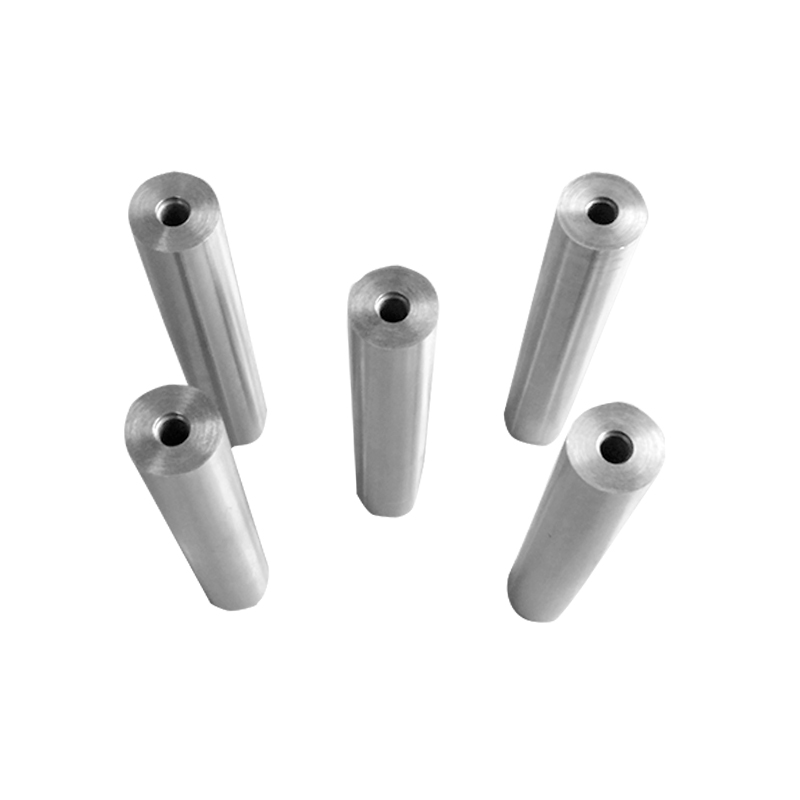
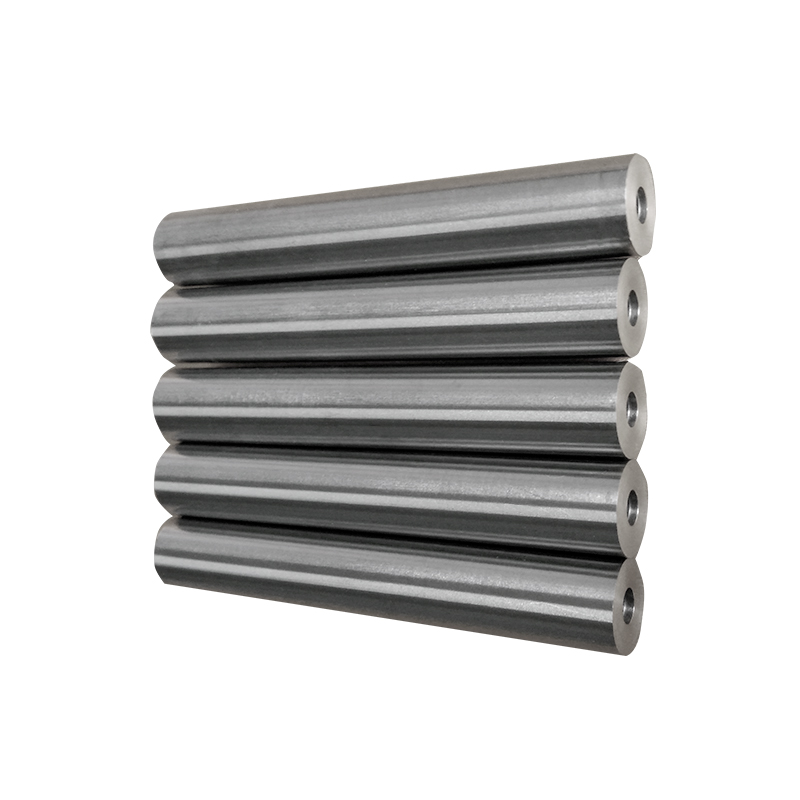
A tungsten rod is a solid cylindrical bar manufactured from tungsten — one of the rarest and most exceptional metallic elements on the periodic table. With the chemical symbol W and atomic number 74, tungsten holds the record for the highest melting point of any pure metal at approximately 3,422°C (6,192°F), making it an indispensable material in applications where extreme heat, pressure, or wear resistance is required. Tungsten rods are produced through a powder metallurgy process — tungsten powder is compacted under high pressure, sintered at very high temperatures, and then drawn or swaged into rod form with precisely controlled diameters and lengths. The result is a dense, dimensionally stable bar with properties that no other commonly available metal can replicate across the same range of conditions.
The density of tungsten — approximately 19.3 g/cm³ — is nearly twice that of lead and comparable to gold, which gives tungsten rods exceptional mass in a compact cross-section. This combination of extreme density, thermal stability, and outstanding mechanical strength is what makes tungsten rods irreplaceable across sectors including aerospace, defense, electronics, welding, medical radiation shielding, and precision machining. Understanding what tungsten rods are, how they are graded, and where they are used helps engineers, procurement specialists, and manufacturers make well-informed material selection decisions.
Physical and Chemical Properties That Define Tungsten Rod Performance
The extraordinary performance of tungsten rods in demanding environments stems directly from a set of physical and chemical properties that are without parallel among engineering metals. These properties are not incidental — they are the product of tungsten's unique atomic structure, which features a body-centered cubic crystal lattice and exceptionally strong interatomic bonds that resist thermal and mechanical disruption at temperatures that would liquefy or degrade virtually every other structural metal.
Tungsten has a coefficient of thermal expansion of just 4.5 × 10⁻⁶/°C, which is extremely low compared to steel (approximately 12 × 10⁻⁶/°C) or copper (approximately 17 × 10⁻⁶/°C). This means tungsten rods maintain their dimensions with remarkable consistency under fluctuating thermal loads — a critical characteristic in precision tooling and high-temperature furnace components where dimensional drift can compromise product quality. The thermal conductivity of tungsten (approximately 173 W/m·K) is also high relative to its melting point, enabling efficient heat dissipation in electrode and heating element applications.
Core Physical Properties of Tungsten Rod
| Property | Value |
| Melting Point | 3,422°C (6,192°F) |
| Density | 19.3 g/cm³ |
| Tensile Strength | 500–2,000 MPa (varies by grade and processing) |
| Thermal Conductivity | 173 W/m·K |
| Coefficient of Thermal Expansion | 4.5 × 10⁻⁶/°C |
| Hardness (Vickers) | 310–400 HV (pure tungsten) |
| Electrical Resistivity | 5.28 × 10⁻⁸ Ω·m at 20°C |
In terms of chemical resistance, pure tungsten rods are resistant to attack by most mineral acids at room temperature and are not affected by hydrofluoric acid or nitric acid individually, though mixed acids and oxidizing environments at elevated temperatures can cause surface oxidation. This relative chemical stability, combined with its thermal and mechanical characteristics, makes tungsten rod a reliable long-term material in harsh processing environments.
Grades and Alloy Variants: Choosing the Right Tungsten Rod Type
Not all tungsten rods are chemically identical. While pure tungsten rods deliver the highest melting point and density, alloyed variants have been developed to optimize specific properties such as machinability, ductility at room temperature, high-temperature creep resistance, and weldability. Selecting the correct grade is as important as selecting the correct diameter and length, and the decision should always be driven by the specific mechanical and thermal demands of the intended application.
Pure Tungsten Rod (W1)
Pure tungsten rods — typically containing 99.95% or higher tungsten content — offer the highest melting point, maximum density, and the best electrical and thermal conductivity within the tungsten family. However, pure tungsten is brittle at room temperature, which makes it challenging to machine and susceptible to cracking under mechanical shock. It is primarily used in high-temperature furnace components, electron beam equipment, ion implant systems, and applications where purity requirements preclude the use of alloying elements.
Tungsten-Rhenium Alloy Rods (W-Re)
Adding rhenium (Re) to tungsten in concentrations typically ranging from 3% to 26% dramatically improves the ductility and workability of the alloy at both room and elevated temperatures. Tungsten-rhenium rods retain high-temperature strength above 2,000°C better than pure tungsten, making them the preferred choice for thermocouple sheaths, rocket nozzle inserts, and aerospace structural components that must endure extreme thermomechanical cycling. The addition of rhenium also improves the recrystallization resistance of the alloy, preserving microstructural integrity across more heating and cooling cycles.
Tungsten-Lanthanum Oxide Rods (WL10, WL15, WL20)
Lanthanum oxide (La₂O₃) additions in concentrations of 1% to 2% by weight substantially improve the recrystallization temperature, creep resistance, and grain structure stability of tungsten rods. WL-series rods are widely used in TIG (GTAW) welding electrodes, high-temperature heating elements, and plasma spray equipment. They offer better current-carrying capacity and longer service life compared to pure tungsten electrodes in AC and DC welding applications, and they produce a stable, easily initiated arc with lower radioactivity risk than thoriated tungsten alternatives.
Tungsten Heavy Alloy Rods (WNiFe / WNiCu)
Tungsten heavy alloys (WHA) combine a tungsten content of 85%–98% with binder metals — most commonly nickel-iron (Ni-Fe) or nickel-copper (Ni-Cu). These alloys are liquid-phase sintered, which produces a two-phase microstructure that gives them far superior machinability and toughness compared to pure tungsten while retaining the density advantage. WHA rods are the standard material for kinetic energy penetrators, radiation shielding rods, counterweights, and precision balancing components where high mass in limited volume is the primary design requirement.
Primary Industrial Applications of Tungsten Rod
The application landscape for tungsten rods is exceptionally broad, spanning industries that have little else in common beyond their need for a material that performs reliably at the outer boundaries of temperature, radiation, and mechanical stress. Each application exploits a distinct subset of tungsten's property profile, and understanding these use cases helps illustrate why tungsten rod remains commercially vital despite its relatively high cost compared to common engineering metals.
- TIG Welding Electrodes: Tungsten rods — particularly lanthanum-doped and ceriated grades — are machined into the non-consumable electrodes used in gas tungsten arc welding (GTAW/TIG). The electrode must sustain an electric arc at temperatures exceeding 3,000°C without melting, and its geometry directly influences arc stability, weld bead profile, and heat input control.
- High-Temperature Furnace Components: Tungsten rods are used as heating elements, support mandrels, and structural components in vacuum and hydrogen atmosphere furnaces operating above 2,000°C — the temperature range where molybdenum and graphite begin to lose structural reliability. Sintering furnaces for advanced ceramics, metal powder processing, and sapphire crystal growth all rely on tungsten rod components.
- Radiation Shielding: The high atomic number and density of tungsten make it one of the most effective materials for attenuating gamma radiation and X-rays. Tungsten heavy alloy rods are used in medical radiation therapy collimators, nuclear industry shielding assemblies, and portable X-ray source containers as a non-toxic, compact alternative to lead shielding.
- Aerospace and Defense: Tungsten rods and heavy alloy variants are machined into kinetic energy penetrators for armor-piercing projectiles, counterweights in aircraft control surfaces and rotorcraft blades, and structural components in rocket propulsion systems that require both mass efficiency and thermal resistance.
- Electrical Discharge Machining (EDM): Tungsten copper composite rods and pure tungsten rods serve as EDM electrodes for precision machining of hardened tool steels, superalloys, and ceramic components. Their thermal and electrical properties enable fine feature machining with minimal electrode wear.
- Semiconductor and Display Manufacturing: Ultra-high-purity tungsten rods are used in sputtering targets and ion implantation components for semiconductor fabrication, where material purity at the parts-per-million level directly impacts device yield and performance.
- Medical Devices and Imaging: Tungsten rods are machined into collimators, shielding components, and catheter tip markers for medical imaging and interventional radiology equipment, where biocompatibility combined with radiopacity and compactness are required simultaneously.
Tungsten Rod Specifications: Standard Dimensions and Tolerances
Tungsten rods are commercially available across a wide range of standard diameters and lengths, though custom sizes can be produced to order for specialized applications. Standard rod diameters typically range from as small as 0.5 mm up to 100 mm or larger for heavy alloy variants. Lengths are commonly supplied from 100 mm to 1,000 mm, depending on the grade and diameter. Dimensional tolerances are tightly controlled — particularly for rods intended for machining into precision components — and are specified according to international standards such as ASTM B760 for pure tungsten rod and ASTM B777 for tungsten heavy alloy rod.
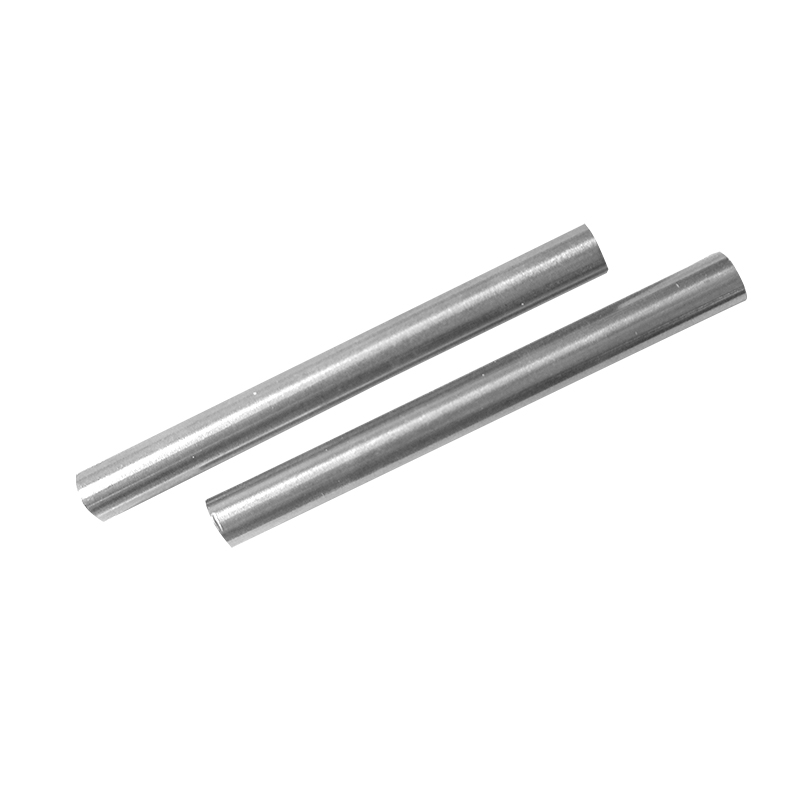
Surface finish is another important specification parameter. As-sintered tungsten rods have a rough, dark oxide surface and require further processing — typically centerless grinding or rotary swaging — to achieve the smooth, bright finish and precise dimensional accuracy required for most end uses. Ground rods are the standard commercial form, offering diameter tolerances typically in the range of ±0.02 to ±0.05 mm depending on diameter class. For the most exacting applications such as semiconductor equipment, polished surface finishes with tighter tolerances are specified and command a significant price premium over standard ground product.
Machining and Handling Tungsten Rod: Practical Considerations
Working with tungsten rod presents unique challenges that require adjustments to standard machining practices. Pure tungsten's room-temperature brittleness means it is susceptible to cracking under excessive cutting forces, vibration, or thermal shock during machining. Most machining of tungsten rod is performed using carbide tooling with sharp cutting edges, slow cutting speeds, and high feed rates to minimize heat buildup at the cutting interface. Coolant use is important to prevent thermal cracking, particularly when drilling or milling small features.
- Use carbide or polycrystalline diamond (PCD) tooling for all cutting, turning, and milling operations — high-speed steel tools wear too rapidly on tungsten's hardness and generate excessive heat.
- Preheat pure tungsten rod to 200–400°C before machining to improve ductility and reduce the risk of brittle fracture, particularly when working with larger diameter stock or performing interrupted cuts.
- Avoid sharp internal corners in machined features — stress concentration at notches or sharp radii can initiate cracking during or after machining due to tungsten's low fracture toughness at room temperature.
- Handle rods with care during storage and transport — dropping or impacting tungsten rod against hard surfaces can cause internal micro-cracking that is not visible externally but will propagate under service loading or thermal cycling.
- Consider EDM as an alternative to conventional machining for complex geometries or very fine features — electrical discharge machining avoids the mechanical forces that risk fracturing brittle tungsten and enables precision feature formation that would be difficult or impossible with cutting tools.
What to Look for When Sourcing and Purchasing Tungsten Rod
Procuring tungsten rod from the right supplier is as important as specifying the correct grade and dimensions. The quality of tungsten rod varies considerably depending on the powder quality, sintering process control, and downstream processing used by the manufacturer. Low-cost rods from suppliers with poor process controls may contain internal porosity, inconsistent density, or surface defects that cause premature failure in service — often in applications where failure carries significant cost or safety consequences.
When evaluating suppliers and purchasing tungsten rods, buyers should consider the following criteria to ensure they receive product that meets their technical and commercial requirements consistently and reliably over the long term.
- Request material certifications: A reputable supplier should provide a mill test report or certificate of conformance specifying chemical composition, density, dimensional measurements, and applicable standard compliance for each lot of rod supplied.
- Verify density by calculation: Measure the weight and volume of a sample rod and calculate the achieved density — it should be at or above 99% of theoretical density (19.3 g/cm³ for pure tungsten) for a well-sintered product. Low density indicates residual porosity that degrades mechanical and thermal performance.
- Confirm applicable standards compliance: Specify ASTM B760 for pure tungsten rod or ASTM B777 for tungsten heavy alloy rod in your purchase order, and request documentation confirming that the supplied product has been tested and found compliant.
- Assess surface condition on receipt: Ground tungsten rods should arrive with a uniform, bright surface free from cracks, pits, seams, or longitudinal grinding marks that could act as stress concentrators during machining or service.
- Evaluate lead times and stock availability: Tungsten rod is not a commodity stocked widely by general metal distributors — identify suppliers with consistent stock in your required grades and sizes to avoid project delays caused by long manufacturing lead times for non-standard specifications.
Tungsten rod is a premium engineering material that rewards careful specification, disciplined sourcing, and skilled processing. Its unmatched combination of thermal endurance, density, strength, and chemical stability continues to make it the material of choice wherever conventional metals reach the limits of their performance — and that role is unlikely to diminish as industries push ever further into extreme operating environments.