English
 русский


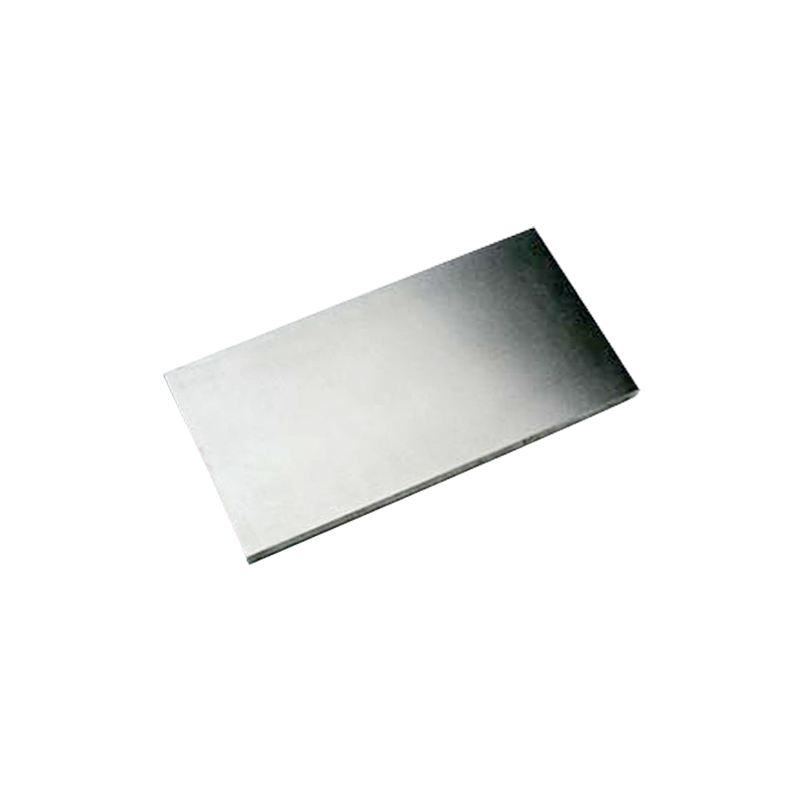
Molybdenum plates for semiconductors are critical structural and functional components used in wafer processing, thin film deposition, ion implantation, and high-temperature equipment. Their popularity in the semiconductor industry comes from molybdenum’s unique combination of high melting point, excellent thermal conductivity, low thermal expansion, and strong resistance to deformation under extreme conditions.
Choosing the right molybdenum plate is not simply a matter of selecting a standard metal sheet. Semiconductor applications demand extremely high material consistency, purity, and dimensional stability. Even minor variations can affect yield, device performance, and equipment lifespan.
Material Purity and Chemical Composition
Purity is one of the most important considerations when selecting molybdenum plates for semiconductor use. Contaminants can outgas, react at high temperatures, or introduce defects into sensitive processes.
High-Purity Requirements
Semiconductor-grade molybdenum plates typically require purity levels of 99.95% or higher. Higher purity reduces the risk of particle contamination and ensures stable performance in vacuum and high-temperature environments.
Control of Trace Elements
Elements such as oxygen, carbon, silicon, and iron must be tightly controlled. Excessive trace elements can weaken grain boundaries, reduce thermal performance, or cause unwanted chemical interactions during processing.
Thermal Performance and Heat Stability
Semiconductor manufacturing often involves temperatures exceeding several hundred or even thousand degrees Celsius. Molybdenum plates are selected primarily for their ability to maintain mechanical and dimensional stability under these conditions.
High Melting Point Advantage
With a melting point above 2600°C, molybdenum remains stable in processes where many other metals would soften or deform. This makes molybdenum plates ideal for heaters, susceptors, and support components.
Low Thermal Expansion
Low thermal expansion minimizes dimensional changes during heating and cooling cycles. This stability is critical for maintaining precise alignment in semiconductor equipment and reducing stress on wafers and coatings.
Mechanical Strength and Structural Integrity
Molybdenum plates for semiconductors must withstand mechanical loads, thermal cycling, and repeated processing without cracking or warping.
Grain structure, density, and fabrication method all influence mechanical performance. Plates with uniform, fine-grain microstructures generally offer better strength and fatigue resistance.
Surface Finish and Flatness Control
Surface quality directly affects performance in semiconductor environments. Rough or uneven surfaces can trap particles, cause localized overheating, or interfere with thin film deposition.
Surface Roughness Requirements
Depending on the application, molybdenum plates may require precision grinding, polishing, or lapping. A controlled surface roughness ensures consistent contact and uniform thermal transfer.
Flatness and Dimensional Tolerance
High flatness is essential for plates used as carriers, base plates, or mounting surfaces. Tight dimensional tolerances help maintain repeatability and reduce alignment errors in automated equipment.
Manufacturing Process and Plate Consistency
The production method used to manufacture molybdenum plates has a direct impact on their performance. Rolling, forging, and sintering processes influence density, grain orientation, and internal stress.
For semiconductor applications, plates with consistent thickness, minimal internal defects, and uniform mechanical properties are strongly preferred.
Machinability and Custom Fabrication
Many semiconductor components require custom shapes, holes, grooves, or complex geometries. The machinability of molybdenum plates is therefore an important selection factor.
High-quality plates with controlled grain structure are easier to machine precisely, reducing tool wear and improving dimensional accuracy in finished components.
- Precision CNC machining capability
- Stable performance during cutting and drilling
- Reduced risk of edge cracking
Compatibility with Semiconductor Processes
Different semiconductor processes place different demands on molybdenum plates. Applications may include physical vapor deposition, chemical vapor deposition, etching, or annealing.
It is important to ensure that the selected molybdenum plate performs reliably in the intended environment, including vacuum levels, reactive gases, and repeated thermal cycling.
Comparison of Key Selection Factors
| Selection Factor | Why It Matters | Impact on Performance |
| Purity Level | Reduces contamination risk | Higher yield and reliability |
| Thermal Stability | Withstands high temperatures | Stable processing conditions |
| Surface Finish | Ensures uniform contact | Consistent film quality |
| Dimensional Accuracy | Supports precise alignment | Improved process repeatability |
Supplier Capability and Quality Assurance
Choosing a reliable supplier is just as important as selecting the right material. Semiconductor-grade molybdenum plates require strict quality control, traceability, and inspection standards.
Suppliers with experience in semiconductor materials can provide detailed material certifications, dimensional reports, and consistent batch-to-batch quality.
Balancing Cost and Long-Term Value
While high-purity molybdenum plates may have a higher upfront cost, their long-term value often outweighs initial savings from lower-grade materials. Reduced downtime, fewer defects, and longer service life contribute to lower total cost of ownership.
In semiconductor manufacturing, reliability and consistency are far more valuable than minimal material cost.
Making an Informed Selection for Semiconductor Success
When choosing molybdenum plates for semiconductor applications, factors such as purity, thermal performance, surface quality, and supplier capability must be carefully evaluated. Each element directly influences process stability, product yield, and equipment performance.
By focusing on application-specific requirements and long-term performance, manufacturers can select molybdenum plates that support reliable, efficient, and high-precision semiconductor production.