English
 русский


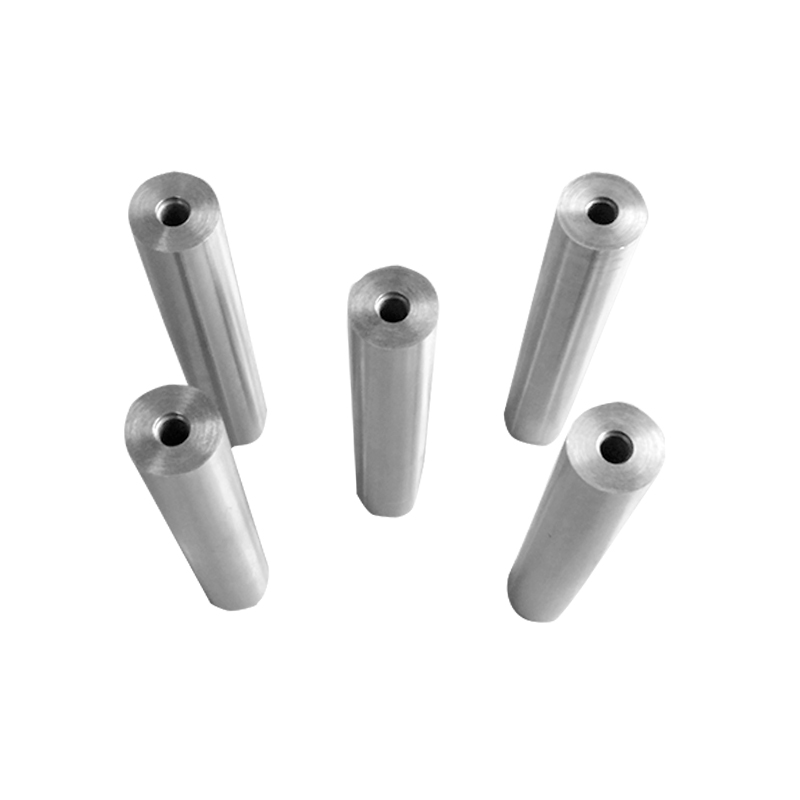
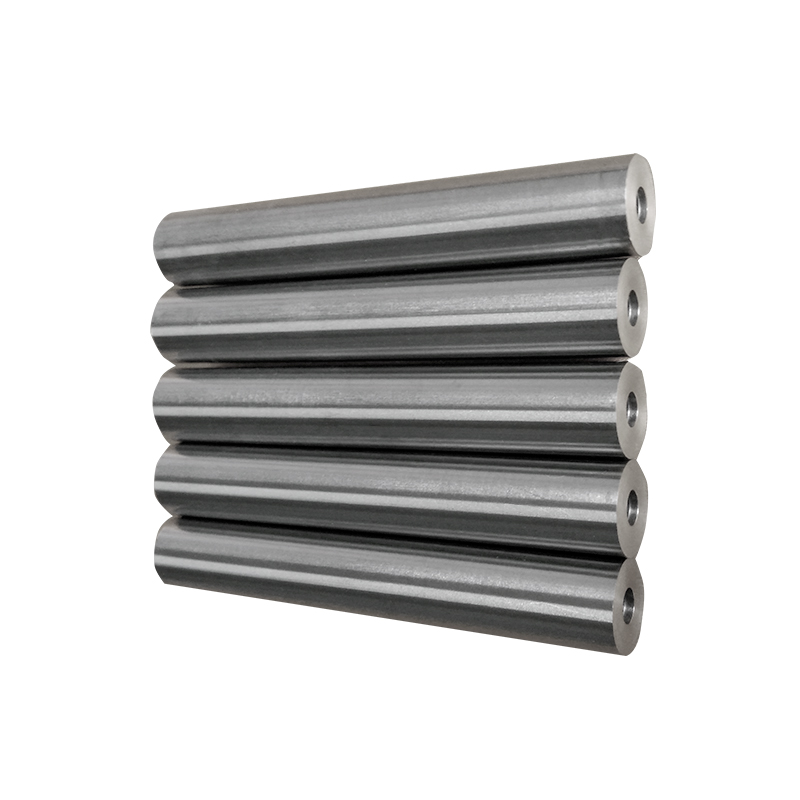
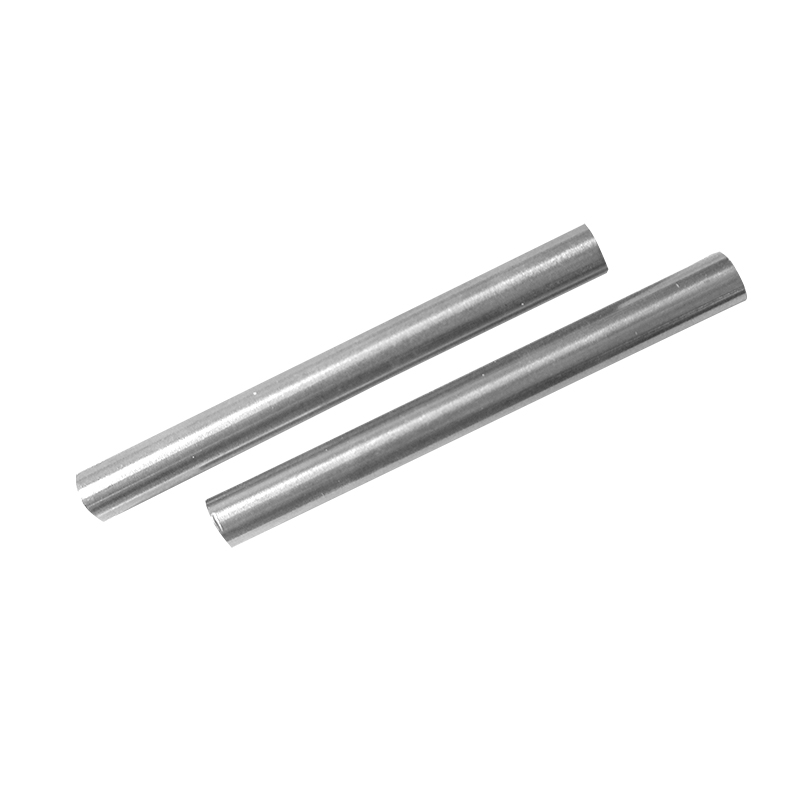
A polished tungsten rod is distinguished by its exceptionally smooth surface finish combined with tungsten’s inherent properties, such as ultra-high melting point, high density, excellent hardness, and strong resistance to wear and corrosion. Polishing removes surface defects, micro-cracks, and irregularities that may remain after sintering or machining, resulting in improved dimensional accuracy and surface integrity.
This enhanced surface quality is not merely aesthetic. In many industrial and technical applications, surface roughness directly affects friction, electrical performance, thermal behavior, and service life. As a result, polished tungsten rods are often specified for demanding environments where reliability and precision are critical.
Key Industries That Require Polished Tungsten Rods
Polished tungsten rods are used across a wide range of industries due to their stable performance under extreme conditions. Understanding where and why they are used helps clarify which specifications are truly necessary for a given application.
Aerospace and Defense Applications
In aerospace and defense, materials are exposed to high temperatures, intense mechanical stress, and corrosive environments. Polished tungsten rods are commonly used in guidance systems, counterweights, gyroscopic components, and high-temperature structural parts. The polished surface reduces friction and improves consistency in moving assemblies, which is essential for precision-controlled systems.
In defense-related uses, tungsten’s high density makes it ideal for kinetic energy components and radiation shielding. A polished finish ensures tight tolerances and predictable performance, which are critical in safety-sensitive applications.
Electronics and Semiconductor Manufacturing
The electronics industry values polished tungsten rods for their electrical conductivity, thermal stability, and surface smoothness. They are often used as electrodes, contact pins, heater elements, and support rods in semiconductor fabrication equipment.
In these environments, even minor surface imperfections can lead to contamination or inconsistent electrical contact. A polished tungsten rod minimizes particle generation and ensures stable performance during prolonged operation at elevated temperatures.
Medical and Scientific Equipment
Medical imaging and scientific instruments frequently require materials with high density and excellent dimensional stability. Polished tungsten rods are used in radiation shielding components, collimators, and precision instrument parts. Their smooth surface facilitates cleaning and sterilization, which is especially important in medical environments.
In laboratory settings, polished rods are also used in experimental apparatus where consistent surface conditions are required to ensure repeatable results.
Industrial Manufacturing and Tooling
In industrial manufacturing, polished tungsten rods serve as wear-resistant components, punching tools, and supports for high-temperature furnaces. The polished surface reduces abrasion against mating parts, extending service life and reducing maintenance frequency.
Applications such as glass forming, metal processing, and thermal treatment rely on tungsten’s ability to maintain strength at extreme temperatures, while polishing ensures smooth interaction with other materials.
Common Application Scenarios and Performance Needs
Different applications impose different performance requirements on a polished tungsten rod. Understanding these scenarios helps narrow down the correct specification without unnecessary over-engineering.
- High-temperature environments requiring dimensional stability and oxidation resistance.
- Precision mechanical systems where low friction and smooth motion are essential.
- Electrical or thermal applications demanding consistent conductivity and heat transfer.
- Radiation shielding or counterweight uses where density and accuracy matter most.
How to Choose the Right Diameter and Length
Diameter and length are fundamental specifications that influence mechanical strength, weight, and compatibility with existing assemblies. A thicker rod generally provides greater stiffness and wear resistance, while a thinner rod offers higher precision and lower weight.
Length tolerance is equally important, especially for applications involving alignment or rotational balance. Polished tungsten rods used in precision systems should be manufactured with tight dimensional tolerances to ensure consistent performance across batches.
Purity Levels and Material Composition
Tungsten purity directly affects mechanical and thermal properties. High-purity polished tungsten rods, typically above 99.95%, are preferred for electronics, medical, and semiconductor applications where contamination must be minimized.
For industrial tooling or counterweight uses, slightly lower purity may be acceptable if mechanical strength and cost efficiency are the primary concerns. Understanding the trade-off between purity and performance helps optimize both function and budget.
Surface Finish and Roughness Requirements
Surface roughness is a critical factor that distinguishes polished tungsten rods from standard rods. A finer surface finish reduces friction, improves wear resistance, and enhances visual and dimensional quality.
Applications involving sliding contact, electrical interfaces, or cleanroom environments often specify strict roughness values. Choosing a rod with an appropriate polishing grade ensures that performance requirements are met without unnecessary processing costs.
Specification Comparison Overview
| Specification | Recommended For | Key Benefit |
| High Purity | Electronics, Medical | Low contamination |
| Fine Surface Finish | Precision Motion | Reduced friction |
| Larger Diameter | Tooling, Counterweights | Higher strength |
Balancing Performance and Cost
Not every application requires the highest possible purity or the finest polish. Over-specifying a polished tungsten rod can increase costs without delivering proportional benefits. A practical selection process evaluates actual operating conditions, expected service life, and performance tolerances.
By aligning specifications with real-world requirements, manufacturers and engineers can achieve reliable performance while maintaining cost control and supply stability.
Making an Informed Specification Decision
Choosing the right polished tungsten rod begins with a clear understanding of the application environment and functional demands. Factors such as temperature, mechanical load, surface interaction, and cleanliness requirements should guide every specification choice.
When selected thoughtfully, a polished tungsten rod delivers exceptional durability, precision, and performance, making it a reliable component across aerospace, electronics, medical, and industrial applications.